The cargo is alive — and the reefer can't feel it self-heat.
Produce and cut flowers keep breathing in the box: they respire, throwing off heat and ethylene, so the pallet core can climb out of range while the reefer's air sensor reads perfectly in-spec. “The reefer said it was fine” is exactly how a living load arrives over-ripe. Navixy instruments the load itself — pulp and humidity, front to rear — and alerts on the divergence between supply air and product before quality is lost.
- Min pulp temp
- 6.2 °C
- Time below 13 °C
- 5 h
- Disposition
- chilling-injury QA
Why a living load fails while the dashboard stays green
Produce and flowers don't fail like a frozen pallet or a sealed vial — they fail biologically. Navixy reads the load, not the unit, and turns respiration, transpiration, ethylene, and chilling into rules and records instead of surprises at the dock.
There is no single setpoint — only a corridor per commodity
A 0 °C line that is perfect for berries gives a banana chilling injury, and a banana's 13 °C ruins berries. Navixy runs a per-commodity corridor with both an upper and a lower bound, so the same platform protects a mixed, multi-zone trailer instead of averaging it into spoilage.
Red marks each crop's chilling-injury zone — a 0 °C setpoint that is perfect for berries quietly destroys a banana load.
Respiration self-heats the core
Living produce gives off heat, and the rate doubles to triples for every 10 °C it warms. A dense, warm-loaded pallet outruns the airflow and self-heats in the middle while the unit holds setpoint.
Dry air → transpiration; a >5% weight loss makes leafy greens unsaleable.
Dry air is a revenue leak
You sell weight and turgor: a 3–10% moisture loss (over 5% for leafy greens) makes produce unsaleable. Humidity is a monitored variable here — alarm low RH before a load wilts itself worthless.
Damage at parts-per-billion — even with a perfect temperature record.
Ethylene ruins sensitives at trace levels
Apples and bananas emit ripening gas that damages lettuce and flowers at parts-per-billion — even at flawless temperature. It's the failure a temperature-only system cannot see, so compatibility and segregation matter.
Below ~13 °C bananas pit and fail to ripen — alarm the cold side too.
For tropicals, too cold is its own failure
Bananas, avocados, and tropical flowers suffer chilling injury below their threshold even above freezing — pitting, browning, failure to ripen. The corridor has to alarm the cold side, not just the warm one.
From a breathing pallet to a shelf-life record, in four moves
The same composable platform that runs fleet and field operations, configured for living cargo — buildable on hardware you already approve.
- 01
Sense the load, not the unit
Place in-load pulp probes front / middle / rear plus a humidity sensor (BLE or 1-Wire), and read the reefer's supply air, setpoint, and door over CAN / J1939 — so the product and the air are both on the same stream.
- 02
Decide on divergence and per-commodity bands
IoT Logic compares the pulp probe to the reefer's supply air, watches humidity, and enforces a corridor with both an upper and a lower bound — plus a pre-cool gate that wants the box at setpoint before the depart event.
- 03
Act before quality is lost
A self-heating core, a dry lane, a chilling drift, or a propped door alerts the dispatcher to boost airflow, correct the setpoint, or close the door — while the load can still be saved.
- 04
Prove shelf life and FEFO
IoT Query rolls up MKT, time-out-of-range, divergence and humidity history into a remaining-shelf-life / FEFO signal and an FSMA-supporting, claims-defensible record, exported to your systems over the API.
Pulp, humidity, and the reefer's own air — on one stream
Living cargo needs the load instrumented, not just the box. Navixy normalizes in-load pulp and humidity probes, reefer J1939, door, and GPS into one data model across 2,500+ device models, then turns the supply-air-versus-pulp divergence into the rule that catches a hot core early.
- Multi-point in-load pulp probes (BLE tags or 1-Wire, front / middle / rear) read the self-heating core the reefer's air sensors miss
- BLE temperature + humidity (e.g. EN 12830-class loggers) make relative humidity a first-class, alarmable variable — not an afterthought
- Reefer J1939 supplies the supply-air reference for the divergence rule and verifies pre-cool before the doors close
- Ethylene / CO₂ context can be added over analog or RS-485 where a gas sensor is deployed — an integration pattern, not an off-the-shelf cold-chain SKU
- Push MKT, time-out-of-range, shelf-life / FEFO and per-commodity compliance to your BI / QMS over an open API — and ship it white-label
− value('air',0) > Δ
The shipped differential flow, generalized across two channels: instead of comparing one sensor to its previous reading, it compares the pulp probe to the reefer's own air — so a self-heating core trips before the unit's return-air sensor ever notices.
A banana load on a berry setpoint — caught on the cold side, not at the dock
Produce fails in both directions. Here the box is left too cold for a chill-sensitive load, so the pulp drifts below the banana's 13 °C threshold and quietly accumulates chilling injury. The low-side alarm — the one a warm-only system never has — catches it and the setpoint is corrected before the load is pitted and browned.
- Banana load departs at 14 °C green-life
- Setpoint left on a berry profile — box runs too cold
- Pulp crosses below 13 °C — chilling-injury alarm (low side)
- 6.2 °C: surface pitting and browning risk accumulating
- Setpoint corrected; the box warms the load back up
- Trip sealed — time-below-13 °C on the record
- Min pulp temp
- 6.2 °C Min pulp temp
- Time below 13 °C
- 5 h Time below 13 °C
- Disposition
- chilling-injury QA Disposition
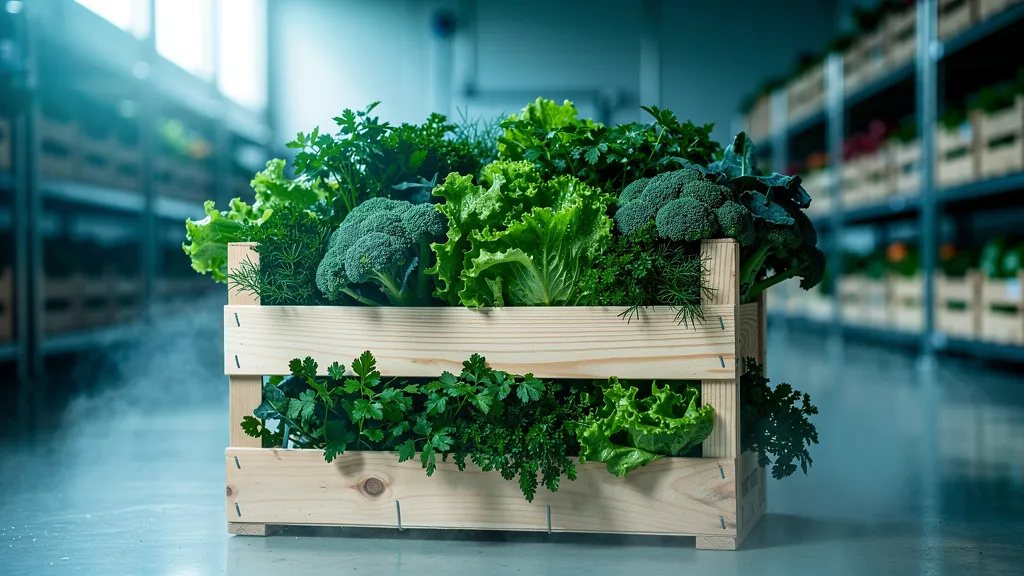
The load looks perfect on the dashboard — and arrives soft
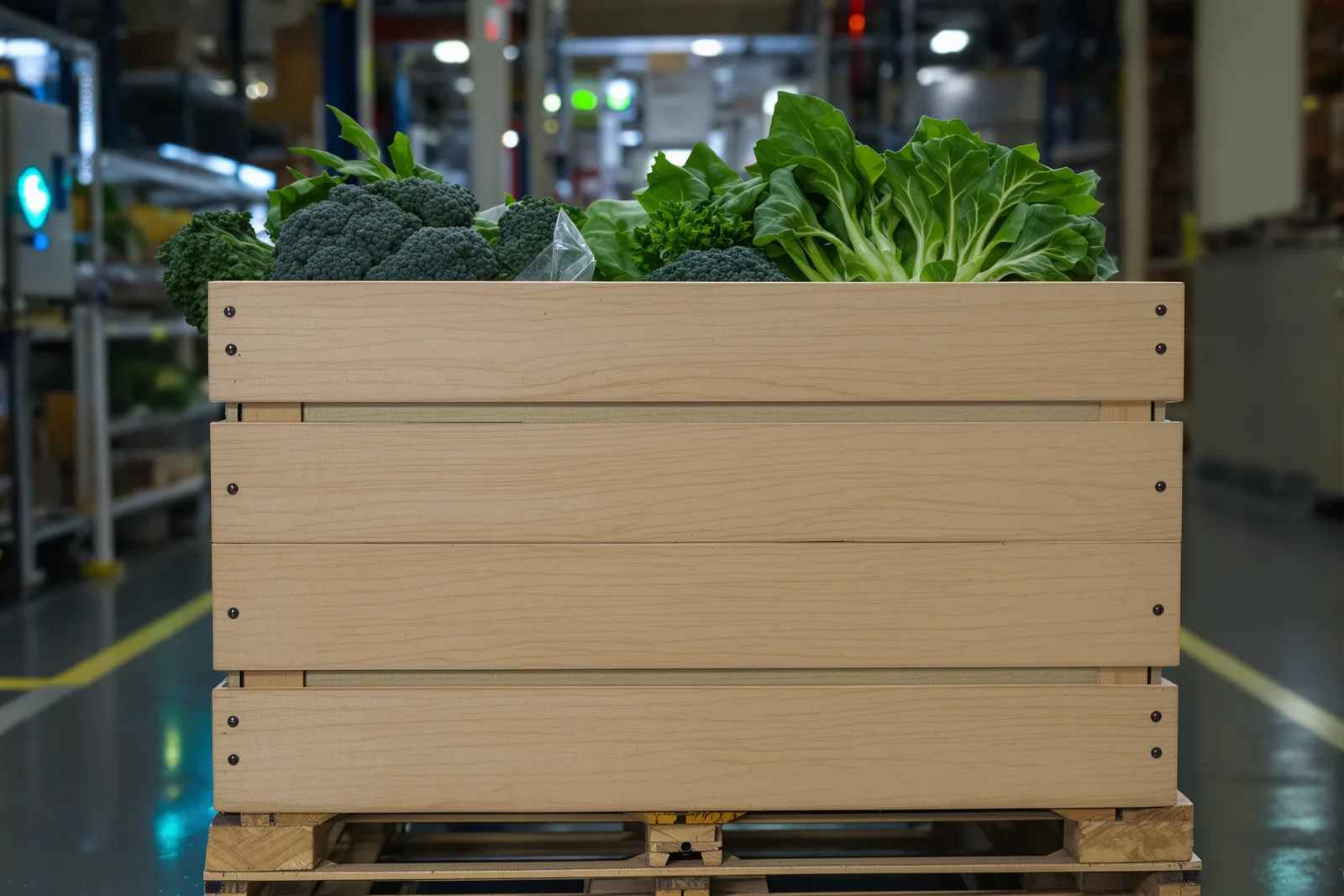
Respiration, transpiration, ethylene, and chilling all do their damage where the reefer's air sensor can't see: in the pulp, in the humidity, in the gas around a mixed load. Instrumenting the product itself — and recording it — is what turns a living, unpredictable load into a shelf-life signal you can sell on and defend.
- Pulp and humidity probes in the load, not just the unit's return-air sensor
- A remaining-shelf-life / FEFO signal, so value is set by life left, not arrival date
- A continuous record that supports FSMA transport rules and defends a rejected load
What produce & floral teams ask
Why does my produce arrive over-ripe when the reefer said it was in range?
What temperature should fresh produce or cut flowers ship at?
Why does pre-cooling matter, and can monitoring verify it?
Can I ship ethylene-producing and ethylene-sensitive items together?
Why monitor humidity on a reefer, not just temperature?
Isn't colder always safer for produce?
How do I prove the cold chain for FSMA or a retail-DC mandate?

Sell the shelf life you actually delivered
Tell us your commodities, lanes, and mix. We'll map the in-load pulp and humidity probes, the supply-air-versus-pulp divergence and per-commodity corridor rules, the pre-cool gate, and the shelf-life / FEFO records for your produce or floral cold chain — so a living load becomes a signal you can act on and a record you can defend.