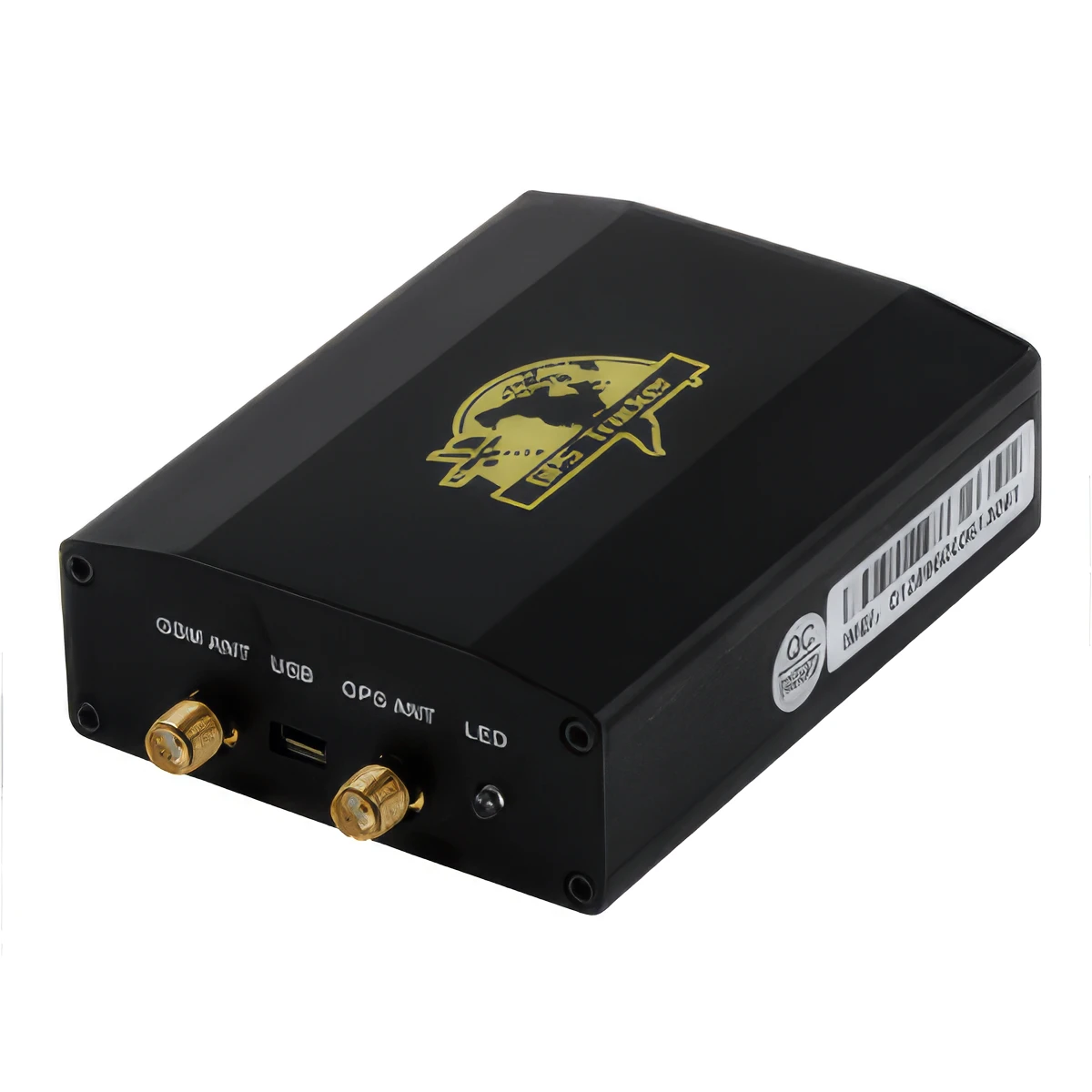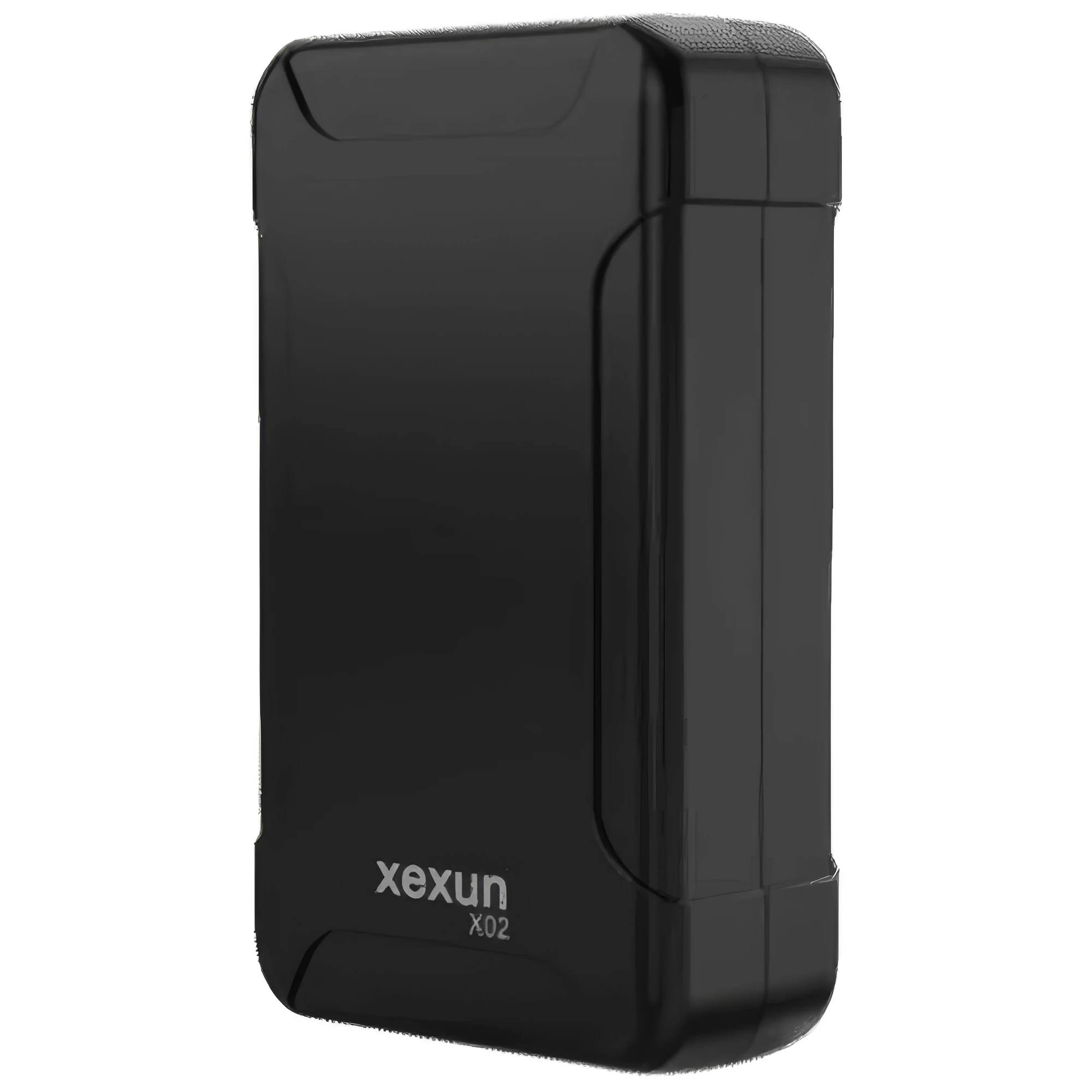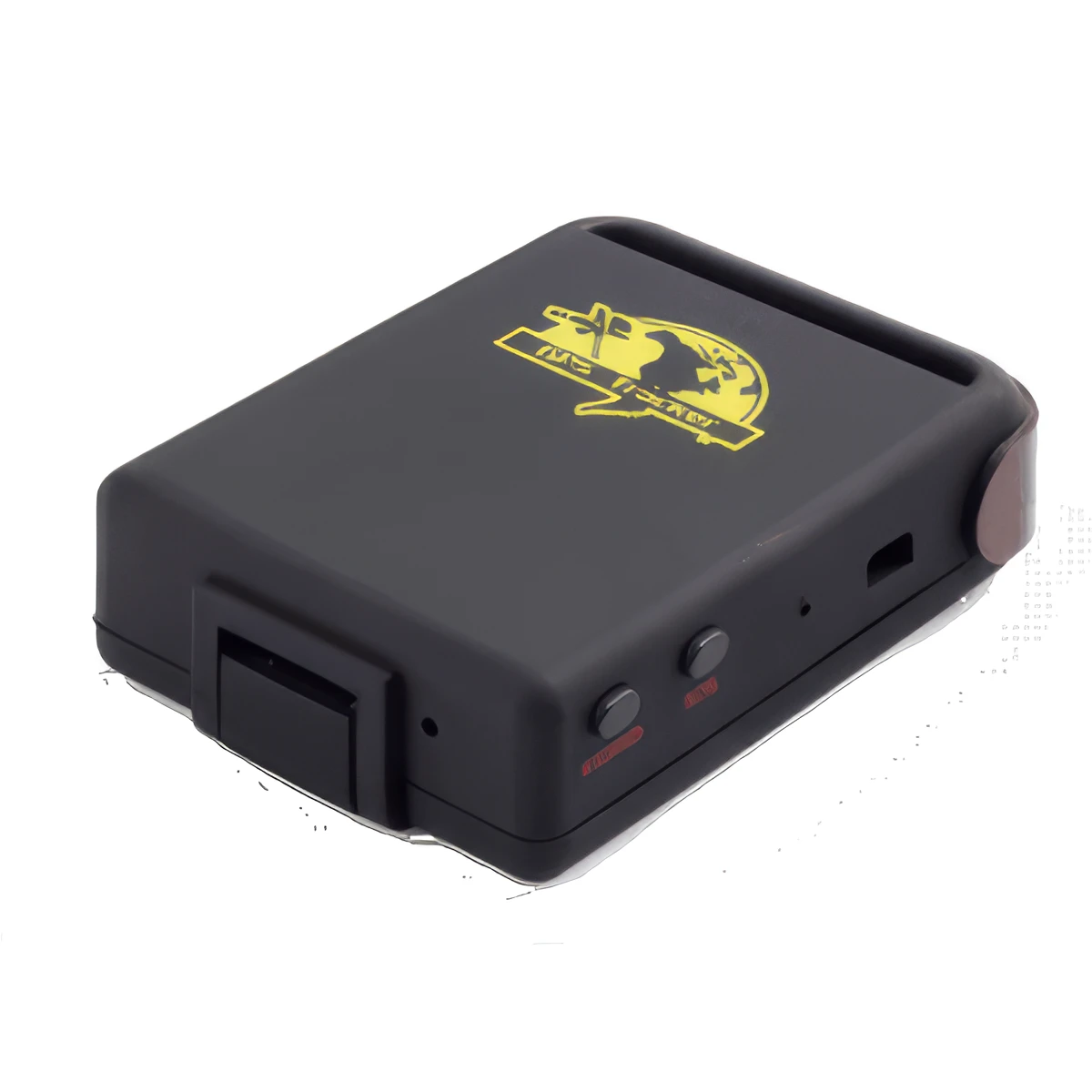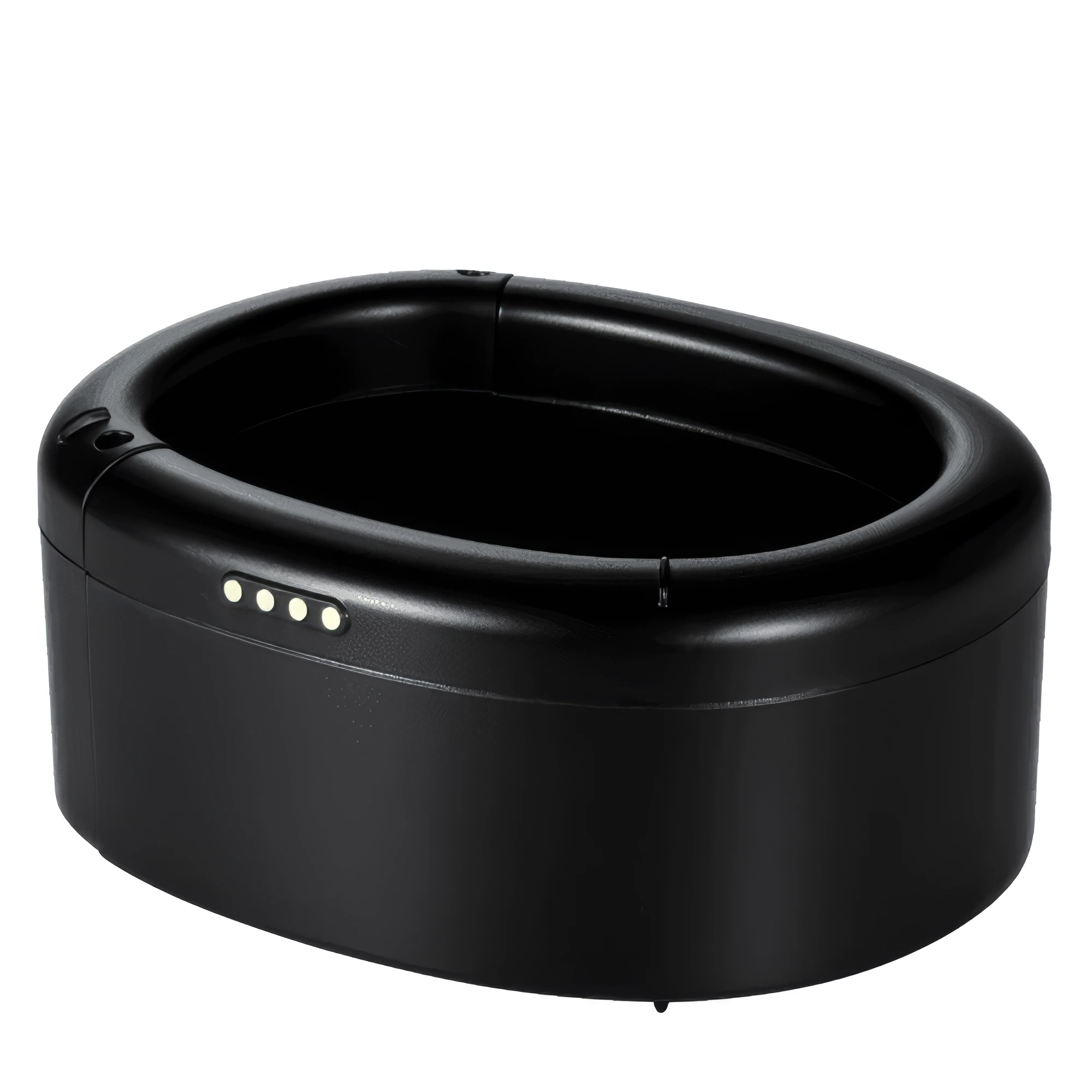
Xexun GPS Ankle Bracelet (DDX14)
XexunGPS Ankle is a professional tracking product designed for community correction, parole, residential surveillance, Alzheimer’s, mental patients and other special industry tracking applications. It includes GPS ankle, Curfew base station (optional) and management system. The GPS ankle collects GPS/Beidou/WiFi/LBS tracking information and uses the 4G wireless network to send the tracking information to the server to track the ankle. The ankle has a built-in conductive circuit, which will alarm immediately after disassembly. The ankle also has a built-in UWB high-precision ranging module (optional), combined with the Curfew base station, up to centimeter-level ranging accuracy, to determine whether the tracked target is in the designated area. The Curfew base station also has a built-in UWB high-precision ranging module. Once the distance between the ankle and the base station exceeds the preset threshold, the system will immediately alarm. The base station has a built-in motion sensor. Once the base station is moved, the system will immediately alarm.
Your device. Your client's next workflow.
Describe the outcome. Explore the data, logic and integration decisions behind it.
What would you like to build with Xexun GPS Ankle Bracelet (DDX14)?
Start with your client’s goal. We’ll explore the signals, logic and integration it needs.
All connection settings and developer-maintained specifications continue below.
Server connection
| EU platform | tracker.navixy.com (52.57.1.136) |
| US platform | tracker.us.navixy.com (13.52.37.2) |
| MENA platform | tracker.me.navixy.com (34.166.104.189) |
| Server port | 47649 |
| Auto registration | Yes |
Interfaces
| Digital inputs | 1 |
Technical details
Protocol
- Canonical name
- xexun
- Default port
- 47649
- Slug
xexun_47649
Hardware I/O
- Digital inputs
- 1
- Digital outputs
- 0
- Output control
- none
- Track control
- Supported
Capabilities(7)
Alert rules(14)
(em) = emulated at platform level rather than native on the device.
You might also consider
Related devices sharing similar capabilities, interfaces, or use cases.