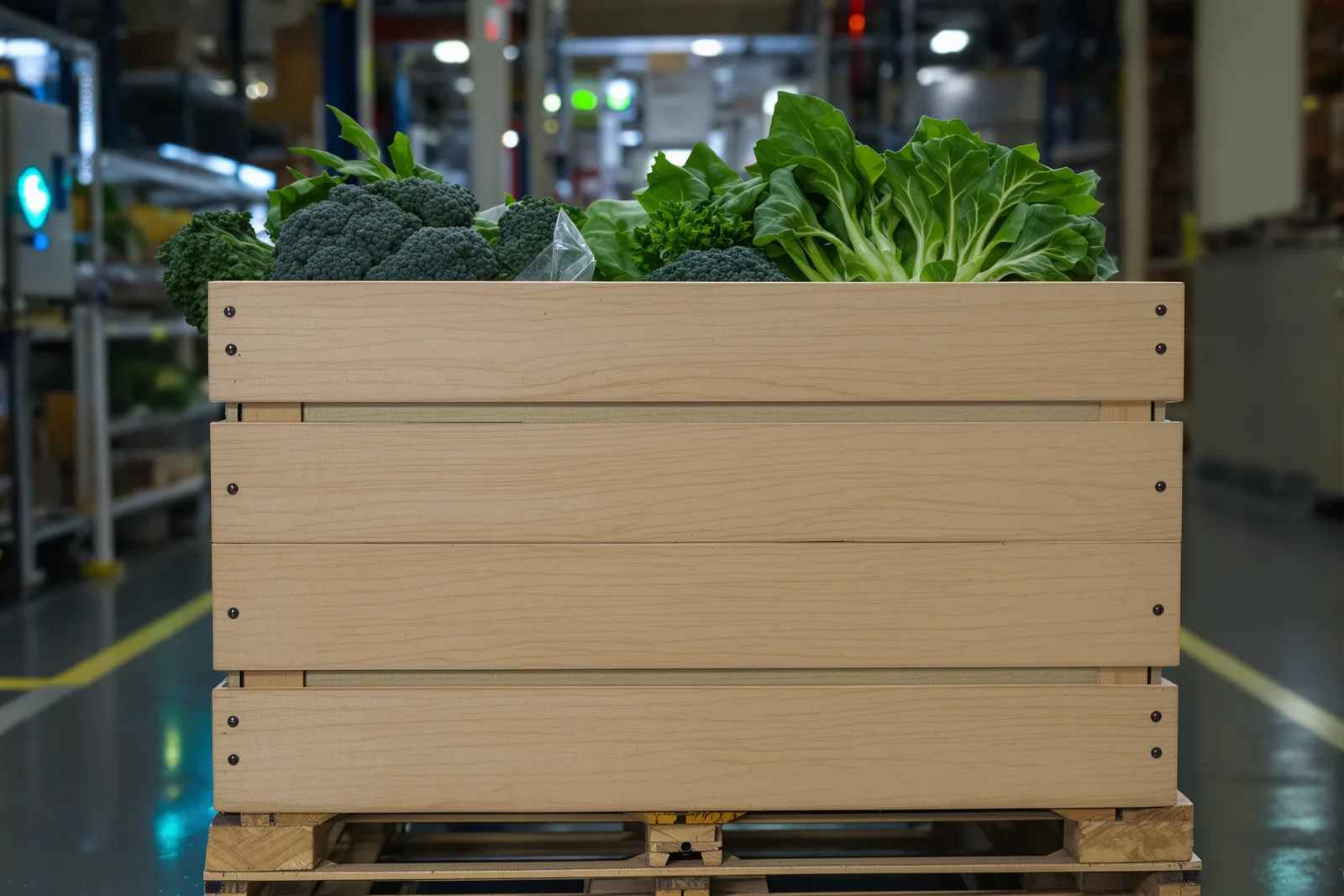
La charge est vivante — et le groupe frigorifique ne sent pas qu'elle s'auto-chauffe.
Les produits et les fleurs coupées continuent de respirer dans la caisse : ils dégagent chaleur et éthylène, et le cœur de palette peut sortir de plage alors que le capteur d'air du groupe affiche parfaitement la consigne. « Le groupe disait que tout allait bien » — c'est ainsi qu'une charge vivante arrive surmûre. Navixy instrumente la charge elle-même — pulpe et humidité, avant à arrière — et alerte sur la divergence entre air soufflé et produit avant perte de qualité.
- Temp. pulpe min.
- 6,2 °C
- Temps sous 13 °C
- 5 h
- Disposition
- QA blessure au froid
Pourquoi une charge vivante échoue alors que le tableau reste vert
Les produits et les fleurs n'échouent pas comme une palette surgelée ou un flacon scellé — ils échouent biologiquement. Navixy lit la charge, pas l'unité, et transforme respiration, transpiration, éthylène et blessure au froid en règles et relevés plutôt qu'en surprises au quai.
Il n'y a pas une seule consigne — seulement une plage par produit
Une ligne à 0 °C parfaite pour les baies provoque une blessure au froid sur la banane, et les 13 °C de la banane ruinent les baies. Navixy applique une plage par produit avec borne haute et basse, pour que la même plateforme protège une semi mixte multi-zones au lieu de la moyenner en perte.
Rouge marque la zone de blessure au froid de chaque culture — une consigne à 0 °C parfaite pour les baies détruit silencieusement une charge de bananes.
La respiration auto-chauffe le cœur
Les produits vivants dégagent de la chaleur, et le taux double à triple par +10 °C. Une palette dense chargée à chaud dépasse le flux d'air et s'auto-chauffe au centre pendant que l'unité tient la consigne.
Air sec → transpiration ; une perte de poids >5 % rend les feuilles vertes invendables.
L'air sec est une fuite de revenu
Vous vendez le poids et la turgescence : une perte d'humidité de 3–10 % (plus de 5 % pour les feuilles vertes) rend le produit invendable. L'humidité est une variable surveillée — alerter sur HR basse avant que la charge ne se fane.
Dommages à des parties par milliard — même avec un historique de température parfait.
L'éthylène ruine les sensibles à des traces
Pommes et bananes émettent un gaz de mûrissement qui endommage laitue et fleurs à des parties par milliard — même à température parfaite. C'est l'échec qu'un système température seul ne voit pas ; compatibilité et ségrégation comptent.
Sous ~13 °C les bananes se piquent et ne mûrissent pas — alarmer aussi le côté froid.
Pour les tropicaux, trop froid est sa propre défaillance
Bananes, avocats et fleurs tropicales subissent une blessure au froid sous leur seuil même au-dessus de zéro — piqures, brunissement, échec de mûrissement. La plage doit alarmer le côté froid, pas seulement le chaud.
D'une palette qui respire à un relevé de durée de vie, en quatre étapes
La même plateforme composable qui pilote flotte et terrain, configurée pour charge vivante — déployable sur le matériel que vous validez déjà.
- 01
Mesurer la charge, pas l'unité
Placez des sondes pulpe en charge avant / milieu / arrière plus un capteur d'humidité (BLE ou 1-Wire), et lisez l'air soufflé, la consigne et la porte du groupe via CAN / J1939 — produit et air sur le même flux.
- 02
Décider sur divergence et plages par produit
IoT Logic compare la sonde pulpe à l'air soufflé du groupe, surveille l'humidité et applique une plage avec borne haute et basse — plus une porte de pré-refroidissement exigeant la consigne avant le départ.
- 03
Agir avant perte de qualité
Un cœur auto-chauffant, un couloir sec, une dérive au froid ou une porte calée alerte le répartiteur pour augmenter le flux d'air, corriger la consigne ou fermer la porte — tant que la charge peut encore être sauvée.
- 04
Prouver durée de vie et FEFO
IoT Query consolide TCM, temps hors plage, historique de divergence et d'humidité en signal de durée de vie restante / FEFO et relevé défendable compatible FSMA, exporté vers vos systèmes via API.
Pulpe, humidité et l'air propre du groupe — sur un seul flux
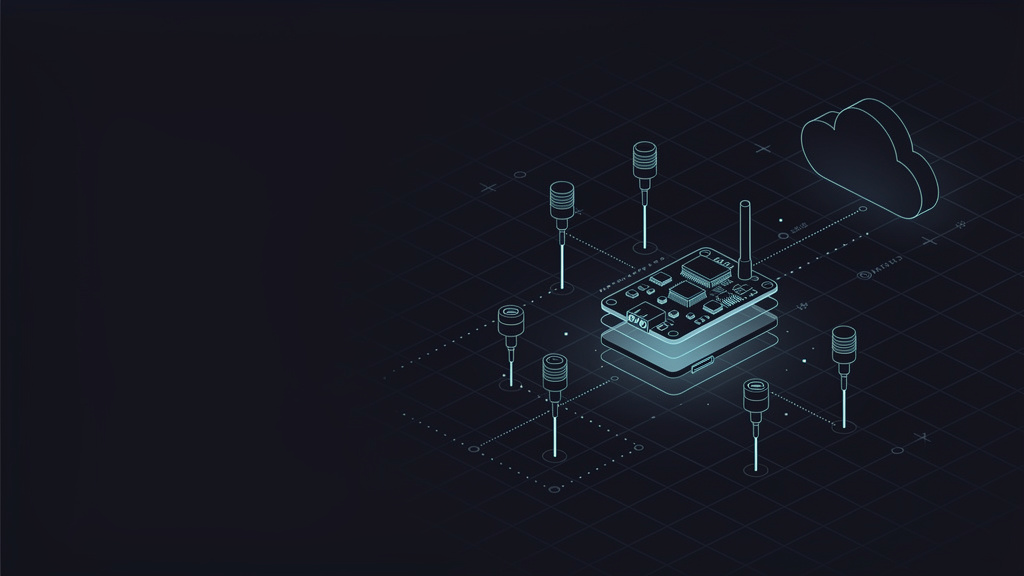
Une charge vivante exige la charge instrumentée, pas seulement la caisse. Navixy normalise sondes pulpe et humidité en charge, J1939 du groupe, porte et GPS dans un modèle de données sur plus de 2 500 modèles d'appareils, puis transforme la divergence air soufflé vs pulpe en la règle qui détecte un cœur chaud tôt.
- Sondes pulpe multipoints en charge (étiquettes BLE ou 1-Wire, avant / milieu / arrière) lisent le cœur auto-chauffant que les capteurs d'air du groupe manquent
- Température + humidité BLE (p. ex. enregistreurs classe EN 12830) font de l'humidité relative une variable de première classe, alarmable — pas un détail
- J1939 du groupe fournit la référence air soufflé pour la règle de divergence et vérifie le pré-refroidissement avant fermeture des portes
- Contexte éthylène / CO₂ peut s'ajouter en analogique ou RS-485 où un capteur de gaz est déployé — un modèle d'intégration, pas un SKU chaîne du froid standard
- Poussez TCM, temps hors plage, durée de vie / FEFO et conformité par produit vers votre BI / QMS via API ouverte — et déployez en marque blanche
− value('air',0) > Δ
Le flux différentiel déployé, généralisé sur deux canaux : au lieu de comparer un capteur à sa lecture précédente, il compare la sonde pulpe à l'air propre du groupe — pour qu'un cœur auto-chauffant déclenche avant que le capteur d'air repris ne le remarque.
Charge bananes sur consigne baies — détectée côté froid, pas au quai
Les produits échouent dans les deux sens. Ici la caisse reste trop froide pour une charge sensible au froid ; la pulpe descend sous le seuil de 13 °C de la banane et accumule silencieusement une blessure au froid. L'alarme côté bas — celle qu'un système chaud seul n'a jamais — la détecte et la consigne est corrigée avant que la charge ne soit piquée et brunie.
- Charge bananes part à 14 °C en vie verte
- Consigne laissée sur profil baies — la caisse tourne trop froid
- Pulpe passe sous 13 °C — alarme blessure au froid (côté bas)
- 6,2 °C : risque de piqures et brunissement en surface
- Consigne corrigée ; la caisse réchauffe la charge
- Trajet scellé — temps sous 13 °C au relevé
- Temp. pulpe min.
- 6,2 °C Temp. pulpe min.
- Temps sous 13 °C
- 5 h Temps sous 13 °C
- Disposition
- QA blessure au froid Disposition
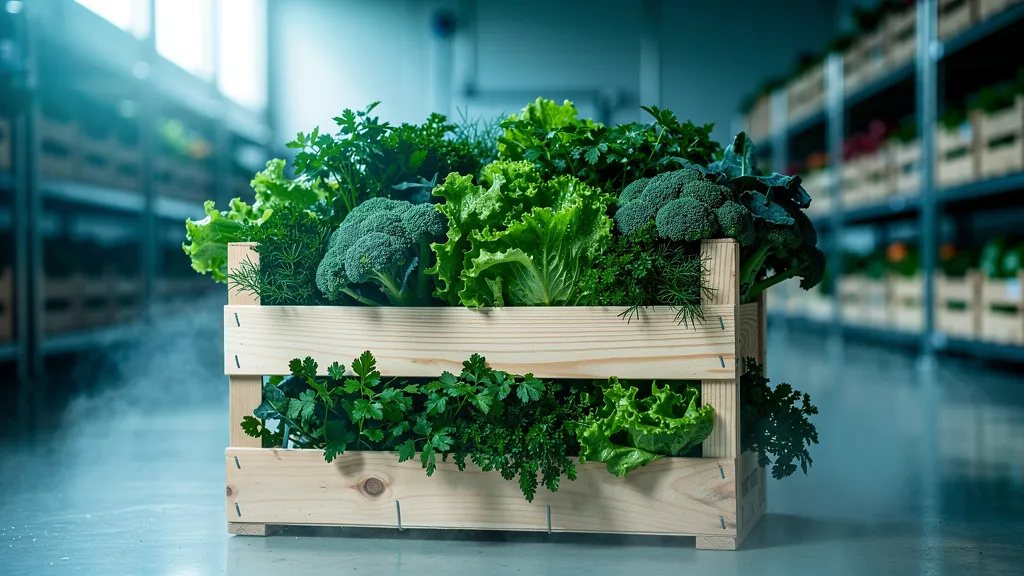
La charge paraît parfaite au tableau — et arrive molle
Respiration, transpiration, éthylène et blessure au froid font leurs dégâts là où le capteur d'air du groupe ne voit pas : dans la pulpe, l'humidité, le gaz autour d'une charge mixte. Instrumenter le produit — et l'enregistrer — transforme une charge vivante imprévisible en signal de durée de vie vendable et défendable.
- Sondes pulpe et humidité dans la charge, pas seulement le capteur d'air repris de l'unité
- Signal de durée de vie restante / FEFO, pour que la valeur suive la vie restante, pas la date d'arrivée
- Relevé continu compatible règles de transport FSMA et défense d'une charge refusée
Ce que demandent les équipes produits frais et fleurs
Pourquoi mes produits arrivent-ils surmûrs alors que le groupe affichait la plage ?
À quelle température expédier produits frais ou fleurs coupées ?
Pourquoi le pré-refroidissement compte-t-il, et le monitoring peut-il le vérifier ?
Puis-je expédier producteurs et sensibles à l'éthylène ensemble ?
Pourquoi surveiller l'humidité sur un groupe, pas seulement la température ?
Plus froid n'est-il pas toujours plus sûr pour les produits ?
Comment prouver la chaîne du froid pour FSMA ou une exigence plateforme retail ?
Vendez la durée de vie que vous avez réellement livrée
Décrivez vos produits, lignes et mix. Nous cartographierons les sondes pulpe et humidité en charge, les règles de divergence air soufflé vs pulpe et plages par produit, la porte de pré-refroidissement et les relevés durée de vie / FEFO pour votre chaîne du froid produits ou fleurs — pour qu'une charge vivante devienne un signal actionnable et un relevé défendable.