D'un enregistreur lu après la perte au contrôle en mouvement.
L'instrument du transporteur frigorifique a longtemps été un enregistreur téléchargé au quai — il documente une perte qu'il ne peut jamais empêcher. Navixy lie le contrôleur J1939/CAN du groupe — consigne, air soufflé et repris, alarmes, carburant, heures de marche, mode et commandes bidirectionnelles — à des sondes cargo indépendantes par zone, sur solaire ou batterie pour qu'une remorque dételée continue à remonter, avec stockage et retransmission pour combler chaque zone blanche.
- Immobilisation sans surveillance
- 14 h
- Panne carburant à
- heure 9
- Détecté
- hors alimentation tracteur
Le groupe dit que tout va bien — c'est précisément le problème
Une semi-remorque frigorifique est un système de flux d'air en mouvement, pas une caisse froide uniforme : les capteurs du groupe sont dans le groupe, pas dans la charge. Se fier à l'affichage seul, c'est comment une charge arrive hors spec alors que chaque journal du groupe est au vert — et comment l'enregistreur post-voyage n'avoue qu'une fois la marchandise déjà condamnée.
Un graphique post-voyage documente une perte qu'il ne peut pas empêcher
Les enregistreurs téléchargés après le voyage, bandes et USB se lisent au quai — l'excursion est alors historique et la charge déjà condamnée ou contestée. Un relevé a posteriori peut faire gagner ou perdre un litige, mais ne peut jamais déclencher une intervention tant que le camion roule. Le contrôle préventif exige une télémétrie paquet par paquet depuis l'actif en mouvement, pas un fichier extrait à la livraison.
Un graphique post-voyage peut gagner un litige — il ne peut jamais sauver la charge. L'alerte doit partir tant que le camion roule encore.
Dételée en parc, la surveillance s'arrête quand elle est le plus nécessaire
Le drop-and-hook et le pool de remorques laissent un groupe chargé stationné sans alimentation tracteur pendant des heures ou des jours — exactement la longue immobilisation sans surveillance où un groupe peut tomber en panne, une porte s'ouvrir ou le réservoir se vider. Une passerelle solaire/batterie et des sondes longue autonomie continuent à remonter hors alimentation véhicule.
Une seule bande ne peut juger surgelé et frais à la fois
Une remorque multi-température fait tourner un compartiment surgelé (≈ −18 °C) et un frais (0–6 °C) en parallèle. Une bande d'alarme unique calibrée surgelé manque les dépassements frais ; calibrée frais, elle crie au loup sur le surgelé — les dispatchers finissent par ignorer les alertes. La solution : une sonde et un seuil indépendant par zone.
Le mode de marche est choisi sur le groupe et jamais audité
Un groupe de remorque tourne environ 2 200 h/an (CARB) et peut brûler près d'un gallon à l'heure. Le mode continu tient la température la plus serrée mais consomme le plus ; cycle/start-stop et ECO réduisent le carburant pour des charges tolérantes — mais le mode est réglé sur le groupe sans corrélation avec la température réelle en caisse.
Repérez un pré-voyage en échec avant le quai, pas sur le quai
L'inspection pré-voyage (PTI) du groupe est l'autotest fonctionnel PASS/FAIL avant chargement. Lancée seulement manuellement au quai, un FAIL arrive avec la remorque en place et la charge en attente — le moment le plus coûteux. Une commande de pré-voyage à distance transforme ce FAIL en ordre de maintenance avant expédition.
Laissée en parc, le groupe a vidé son réservoir en silence
Le drop-and-hook laisse une remorque chargée et pré-refroidie stationnée sans tracteur. Le groupe tourne sur son propre gasoil ; sur une longue immobilisation le réservoir se vide, le groupe s'arrête et la caisse se réchauffe sans personne sur site. Un traceur alimenté véhicule est tombé il y a des heures — une passerelle autonome est le seul élément qui peut encore alerter.
- Chargée surgelée à −18 °C, pré-refroidie — puis déposée en parc
- Immobilisation sans surveillance sur le carburant du groupe, sans tracteur
- Réservoir vide — le groupe s'arrête sans personne sur site
- La caisse dépasse le plafond −15 °C, groupe à l'arrêt
- Passerelle autonome alerte ; l'équipe parc fait le plein et redémarre
- De retour dans la plage — l'excursion d'immobilisation est consignée
- Immobilisation sans surveillance
- 14 h Immobilisation sans surveillance
- Panne carburant à
- heure 9 Panne carburant à
- Détecté
- hors alimentation tracteur Détecté
Du bus du groupe à une preuve prête pour l'audit, en quatre étapes
La même plateforme composable que pour la flotte et le terrain, configurée pour la remorque frigorifique — agnostique OEM sur le groupe, la charge, l'alimentation et la preuve.
- 01
Lier le contrôleur du groupe
Lire le groupe via CAN / J1939 — consigne, air soufflé/repris, codes alarme, carburant, heures, mode et état d'alimentation — via télématique OEM (Thermo King, Carrier Transicold) ou passerelle tierce, et ajouter des commandes bidirectionnelles : pré-voyage à distance, consigne, mode, dégivrage et effacement alarmes.
- 02
Voir la charge, pas seulement le groupe
Des sondes 1-Wire / BLE indépendantes par zone dans la charge — avant, milieu, arrière et porte — lues contre l'air soufflé/repris du groupe. Solaire ou batterie maintient les remorques dételées en remontée, et stockage/retransmission embarqué (plus satellite en intermodal) comble les zones blanches.
- 03
Décider par zone, escalader par responsable
Des capteurs virtuels par zone portent des règles IoT Logic indépendantes ; divergence soufflage/charge et taux de variation détectent un réchauffement avant la limite absolue, et une escalade route chaque alerte réelle vers un responsable avec une première action — commander le groupe, dispatcher ou rerouter.
- 04
Prouver — et optimiser l'actif
IoT Query assemble TCM, temps hors plage, mode vs température en caisse, et carburant / heures par corridor et actif en preuve de condition prête pour l'audit et KPIs d'utilisation du pool — FSMA et GDP, règlement de litiges, via API ouverte et marque blanche.
Parler la langue du groupe — quelle que soit la marque, le modèle et l'OEM
Une remorque frigorifique est un problème de capture en quatre couches : contrôleur du groupe, charge, alimentation/connectivité et contexte opérationnel. Navixy normalise les quatre dans un modèle unique sur plus de 2 500 modèles, pour qu'un transporteur ou intégrateur ne soit pas enfermé dans un gateway OEM ou un monolithe — avec contrôle bidirectionnel là où le groupe le permet.
- Groupe via CAN / J1939 — consigne, air soufflé/repris/ambiant par zone, codes alarme, carburant, heures, mode et état — via télématique OEM (Thermo King TracKing, Carrier Lynx Fleet) ou passerelle CAN tierce sur flottes mixtes
- Contrôle bidirectionnel si le groupe le permet : pré-voyage (PTI), consigne, mode, dégivrage et effacement alarmes — pour transformer une panne en ordre de maintenance avant expédition
- Sondes cargo indépendantes par zone — 1-Wire (~1/16 °C) ou enregistreurs BLE EN 12830 / ISO-17025 — avant/milieu/arrière et porte, lues contre les capteurs air du groupe, pas à leur place
- Passerelles solaire/batterie autonomes et capteurs longue autonomie pour remorques dételées en pool ; stockage/retransmission embarqué (et satellite / dual-mode en intermodal) comble chaque zone blanche
- Règles IoT Logic par zone et escalade, puis IoT Query TCM / temps hors plage / KPIs d'utilisation et export de preuve prête pour l'audit via API ouverte et marque blanche
Un modèle sur plus de 2 500 modèles d'appareils — conservez la télématique OEM du groupe ou ajoutez une passerelle CAN tierce ; règles, preuve et API restent identiques sur flottes mixtes et sous-traitants.
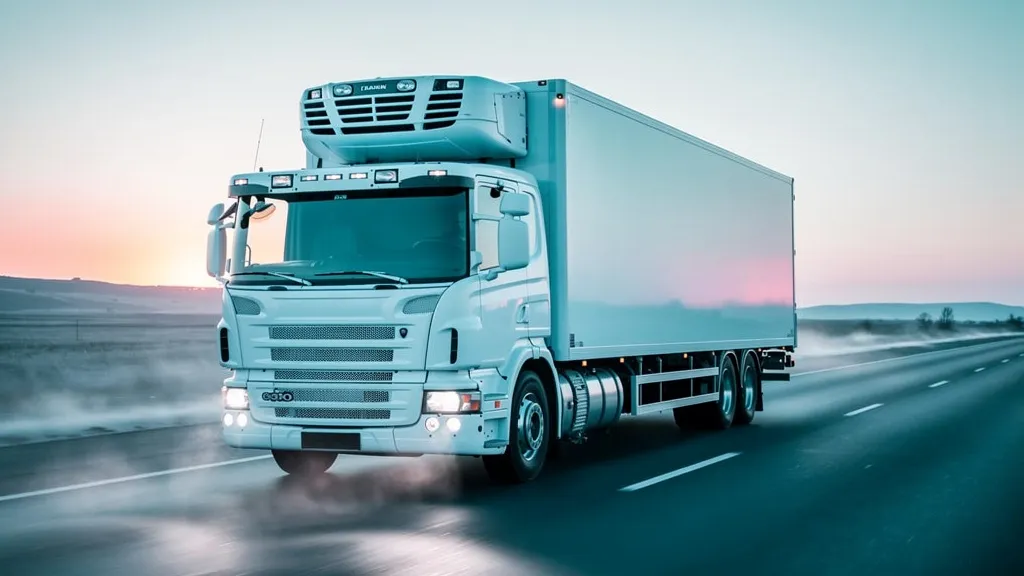
Faites de la remorque la preuve — pas le litige
Un transporteur qui mesure en première main — groupe via CAN, sondes par zone, GPS et porte, tout synchronisé — maîtrise la chaîne de traçabilité au lieu de compter sur le chargeur. La même télémétrie qui gagne un litige sur charge refusée transforme aussi les pools drop-trailer en actifs intelligents : immobilisation, temps de rotation et « cette remorque est-elle chargée, pré-refroidie, et où ? »
- État groupe + par zone en première main, synchronisé GPS et porte — votre relevé, pas l'estimation du chargeur
- Un dossier de preuve de condition règle un litige et satisfait les reportings FSMA / GDP
- Les mêmes données pilotent l'utilisation du pool — immobilisation, rotation, chargé/pré-refroidi/où
Ce que demandent transporteurs et intégrateurs
La lecture de température du groupe ne suffit-elle pas ?
Comment surveiller une remorque multi-température surgelé et frais à la fois ?
Que se passe-t-il quand une remorque est déposée en parc sans tracteur ?
Comment garder un relevé complet dans les zones blanches ?
Puis-je lancer un pré-voyage (PTI) avant l'arrivée au quai ?
Comment réduire le carburant de froid sans risquer la charge ?
Dois-je remplacer mes groupes ou traceurs ?
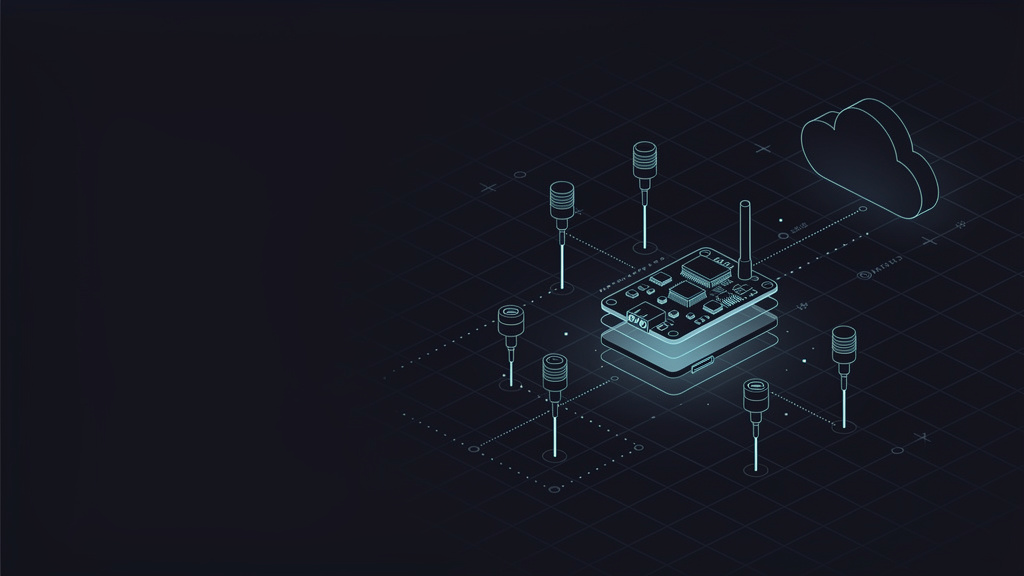
Voyez la charge en mouvement — et commandez le groupe qui la porte
Décrivez votre mix de flotte, marques de groupes et corridors. Nous cartographions la passerelle J1939 ou la voie télématique OEM, le placement des sondes par zone, le plan solaire/batterie et stockage/retransmission, les règles IoT Logic par zone et l'escalade, et les exports de preuve et d'utilisation IoT Query — pour intervenir en transit plutôt que prouver la perte après coup.