Les surgelés ne « périssent » pas. Ils perdent discrètement la qualité que vous vendez.
Les dommages viennent de la recristallisation et de la brûlure de congélation après de brèves décongélations partielles — une porte de cross-docking calée, un groupe qui cycle à l'arrêt — qui ne semblent jamais abîmées au quai et qu'un enregistreur horaire laisse passer. Et −18 °C n'est même pas entièrement congelé. Navixy lit le groupe via CAN/J1939 et des sondes en charge, puis alerte sur le taux de variation et la durée d'ouverture de porte — pas une ligne statique — pour détecter une décongélation alors qu'elle n'a que quelques minutes et la consolider en preuve.

- Température produit max.
- −11,4 °C
- Temps au-dessus de −18 °C
- 17 min
- Disposition
- QA / FEFO
Un enregistreur « au vert » expédie quand même une charge ruinée
La perte de qualité des surgelés est cumulative et invisible : elle dépend du temps et de la chaleur, pas d'une lecture unique conforme/non conforme. Navixy évalue chaque paquet, distingue un dégivrage d'une vraie décongélation, et condense le stress cumulé en un chiffre qu'une réclamation qualité ne peut contester.
Détecter la décongélation de quelques minutes qu'un échantillon horaire déclare propre
Un thermo-enregistreur échantillonnant toutes les 15–60 minutes peut tomber de part et d'autre d'une décongélation de 5–10 minutes et déclarer un trajet parfait. Navixy évalue chaque paquet par rapport à la plage et au taux de variation, puis consolide la température cinétique moyenne et le temps hors plage — les dommages cumulés que l'enregistreur a lissés.
- Verdict de l'enregistreur horaire
- « Dans la plage » ✓
- Ce qui s'est réellement passé
- 7 min à −11,8 °C
Les derniers pourcents d'eau restent liquides — exactement ce qu'une brève décongélation regèle.
−18 °C est une convention, pas « entièrement congelé »
À −18 °C, la plupart des aliments ne sont qu'à ~95–98 % congelés, il reste donc un peu d'eau liquide pour recristalliser lors d'un réchauffement bref. Navixy alerte sur le mouvement et des plages spécifiques au produit, pas sur une ligne unique codée en dur.
La crème glacée vit bien en dessous de −18 °C
Le seuil de choc thermique cité pour la crème glacée est −28,9 °C — un groupe « maintenant −18 °C » peut quand même grossir un dessert premium. Des sondes ultra-froid et une plage plus froide protègent les produits qui en ont besoin.
Distinguer un dégivrage d'une vraie décongélation
Un dégivrage programmé et une porte de quai élèvent brièvement l'air repris. Des temporisations de durée et la corrélation porte suppriment ces événements pour ne pas couper le canal — et la vraie décongélation soutenue alerte toujours quelqu'un.
Une règle par zone, pas une ligne pour toute la flotte
Les chargements QSR et restauration combinent surgelé, réfrigéré et ambiant sur un même véhicule. Un seuil unique manque l'excursion surgelée et crie au loup en zone réfrigérée ; Navixy donne à chaque compartiment le sien.
Deux brèves décongélations, une perte cumulative — détectée tant que la charge peut encore être sauvée
Aucune lecture ne crie « abîmé ». Mais une porte de cross-docking calée et un groupe qui cycle à l'arrêt élèvent le produit au-dessus de −18 °C juste assez longtemps pour le recristalliser. Suivez les alertes de taux de variation, l'intervention de l'opérateur et le trajet qui se clôt par un relevé quantifiant le stress cumulé qu'un enregistreur horaire aurait lissé.
- Départ entièrement refroidi à −22 °C
- Cross-docking : porte calée pendant le transfert
- Alerte taux de variation — produit qui monte vite
- Décongélation partielle : −11,4 °C porte ouverte
- Groupe qui cycle à l'arrêt en mode marche/arrêt
- Deuxième décongélation signalée ; stress cumulé enregistré
- Trajet scellé — TCM et temps au-dessus de −18 sur le relevé
- Température produit max.
- −11,4 °C Température produit max.
- Temps au-dessus de −18 °C
- 17 min Temps au-dessus de −18 °C
- Disposition
- QA / FEFO Disposition
Du signal du groupe frigorifique à un relevé défendable, en quatre étapes
La même plateforme composable qui pilote flotte et terrain, configurée pour le surgelé — déployable sur le matériel que vous validez déjà.
- 01
Capturer l'unité et la charge
Lire le groupe via CAN / J1939 — consigne, air soufflé et repris, mode, heures de marche, dégivrage, carburant, porte — et l'associer à des sondes 1-Wire en charge certifiées jusqu'à −55 °C, la plage dont crème glacée et IQF ont réellement besoin.
- 02
Décider sur le mouvement, pas une ligne
IoT Logic compare chaque lecture à la précédente — value('temperature',0,'valid') vs index 1 — pour détecter un taux de variation, et utilise la durée porte ouverte et le contexte mode dégivrage pour que les montées attendues restent silencieuses.
- 03
Agir avant la recristallisation
Une décongélation soutenue ou une porte calée alerte l'opérateur le plus proche de la charge — fermer la porte, relancer l'unité, refroidir — tant que la marchandise est encore à quelques minutes de la perte de qualité, pas à la livraison.
- 04
Prouver le stress cumulé
IoT Query consolide TCM, temps au-dessus de plage, nombre d'excursions, durée porte et temps de congélation au cœur en un relevé prêt HACCP/FSMA, exporté vers votre BI ou système qualité via l'API.
CAN groupe frigorifique, sondes ultra-froid et une règle par zone
Le surgelé est un problème de plage et de mode : la bonne sonde doit lire en dessous de −30 °C, et la bonne alarme doit distinguer dégivrage et décongélation. Navixy normalise J1939 groupe frigorifique, sondes 1-Wire et BLE, porte et GPS dans un modèle de données unique sur plus de 2 500 modèles d'appareils, puis pousse la preuve vers les systèmes que vos équipes qualité et réclamations utilisent déjà.
- J1939 groupe frigorifique pour consigne, air soufflé/repris, mode, heures de marche et dégivrage — pour qu'une montée normale de dégivrage ne soit jamais prise pour une décongélation
- Sondes 1-Wire ultra-froid (jusqu'à ~−55 °C, résolution ~1⁄16 °C) pour crème glacée et IQF, là où les balises BLE −20 °C ne suffisent pas
- Un capteur virtuel et une règle par compartiment pour chargements multitempérature QSR / restauration — jamais une ligne unique pour toute la flotte
- Stockage et retransmission embarqués complètent la piste d'audit quand une semi-remorque surgelée reste décrochée dans une zone blanche
- Poussez TCM, temps hors plage, durée porte et temps de congélation vers votre BI / SMQ via une API ouverte — et déployez en marque blanche
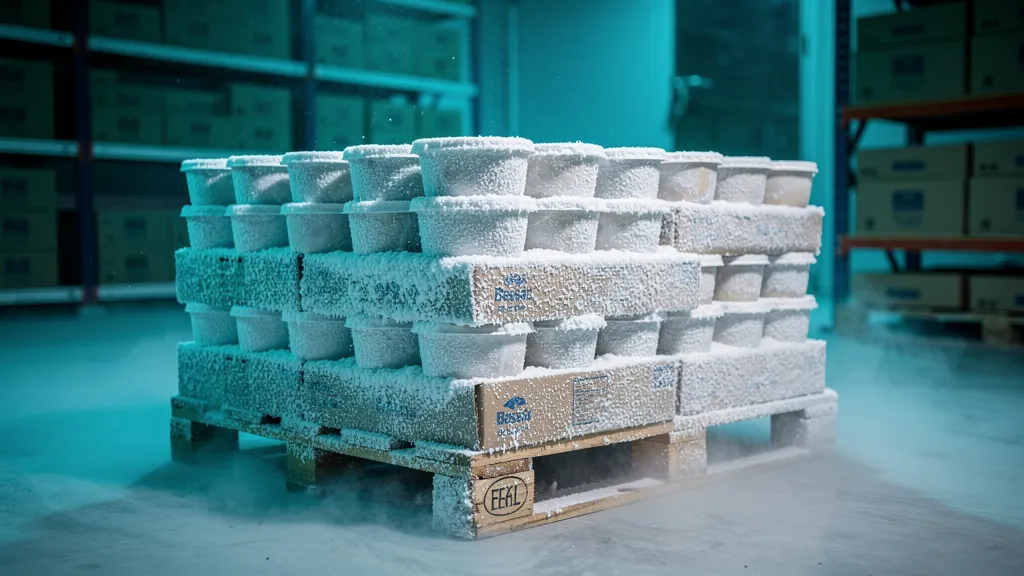
Passe l'inspection — puis ressort comme plainte de texture des semaines plus tard
Crème glacée recristallisée et produit brûlé par le froid semblent corrects à l'acceptation, au paiement, puis on oublie le tronçon responsable. C'est pourquoi le livrable le plus impactant pour le surgelé n'est pas une lecture de température — c'est un relevé continu et exportable qui fixe la perte de qualité à un tronçon et un instant, pour qu'un avoir soit défendu plutôt qu'absorbé.
- Reciristallisation (glaceuse/granuleuse) et brûlure de congélation sont des défauts de qualité, pas de sécurité — invisibles pour le réceptionnaire
- Un relevé continu bat une réclamation de détérioration infondée et fixe une réclamation réelle au responsable
- Les mêmes données exposent la fraude carburant groupe arrêté sur routes surgelées sous-traitées — valeur au-delà de la détérioration
Ce que demandent les équipes surgelés et crème glacée
À quelle température conserver les surgelés — et pourquoi −18 °C n'est pas « entièrement congelé » ?
Pourquoi ma crème glacée arrive glaceuse ou granuleuse si le camion « est resté froid » ?
La lecture de température du groupe frigorifique ne suffit-elle pas pour le surgelé ?
Un enregistreur a dit que le trajet était bon, pourquoi la plainte qualité ?
Quelle différence entre brûlure de congélation et recristallisation ?
Comment prouver la conformité surgelée pour HACCP / FSMA / congélation poisson cru ?
Nous faisons surgelé + réfrigéré sur un camion. Un seul seuil ?
La surveillance des chargements surgelés est-elle rentable ?
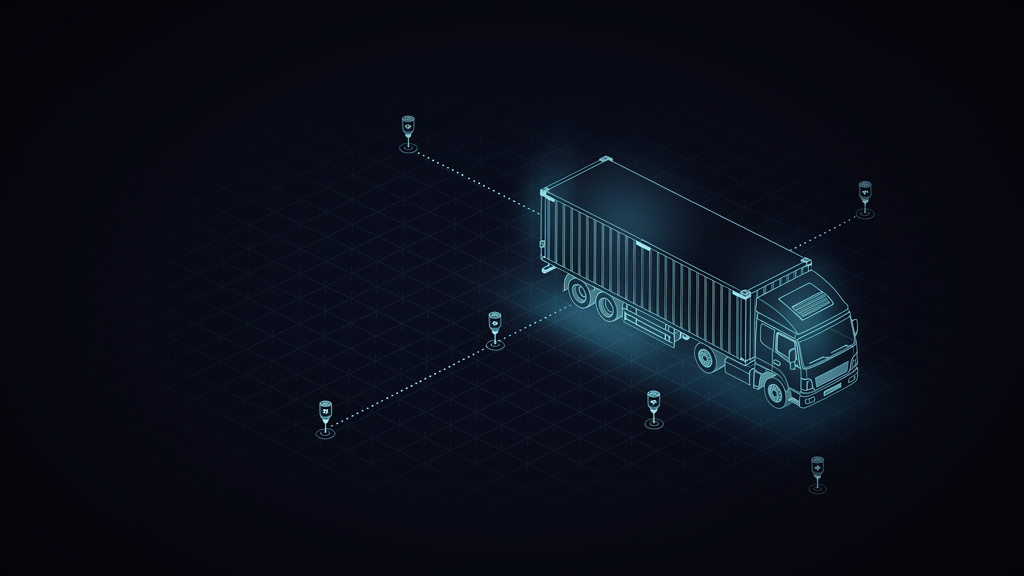
Protégez la texture que vous avez conçue — jusqu'au rayon surgelés
Parlez-nous de vos produits, lignes et zones. Nous cartographierons l'intégration groupe frigorifique, les sondes ultra-froid, les règles IoT Logic de taux de variation et durée porte, et les relevés TCM et temps hors plage pour votre chaîne du froid surgelée — pour qu'une décongélation invisible devienne une alerte actionable et une réclamation gagnable.