Catch an excursion before the load is ruined.
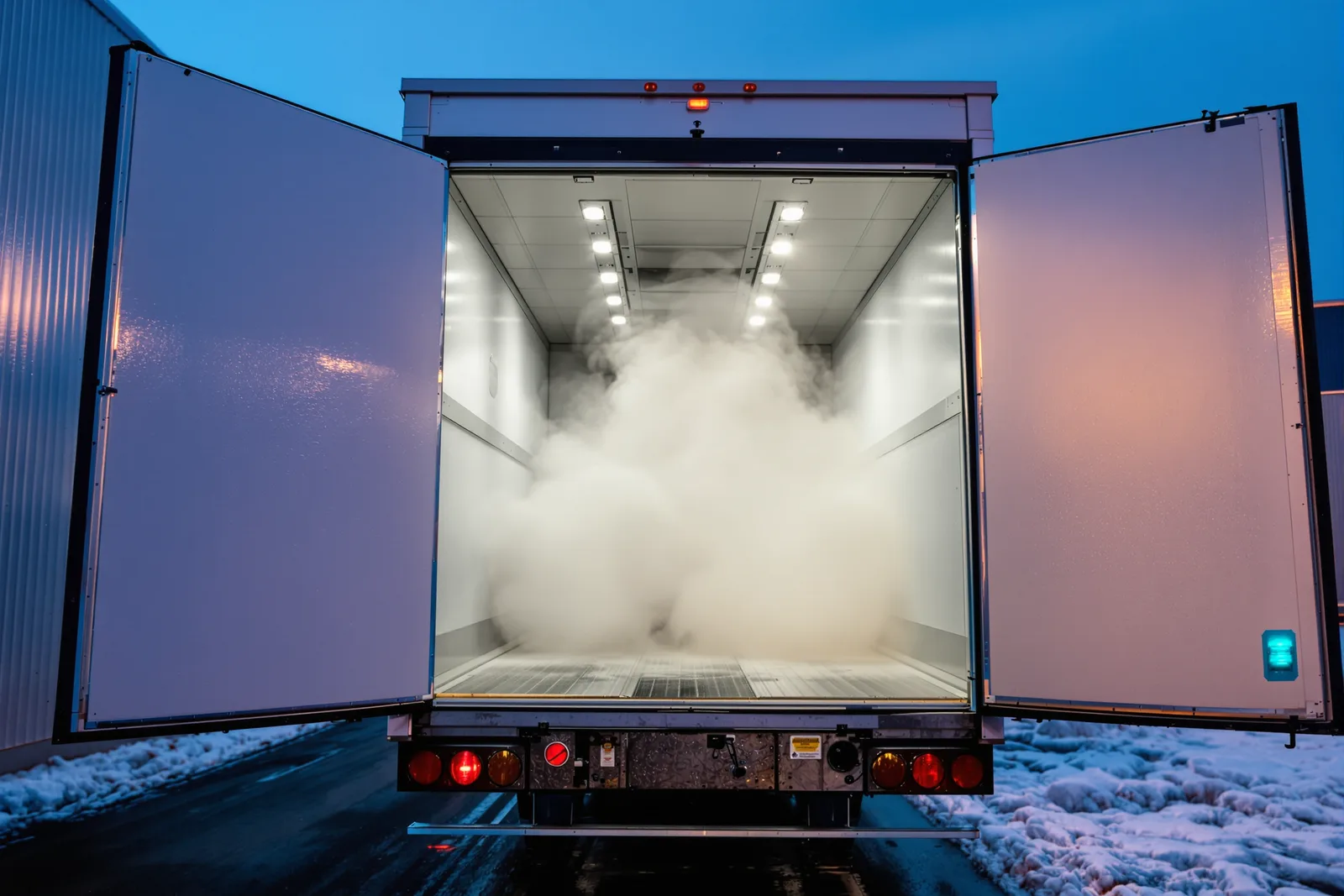
Most temperature excursions are discovered at delivery — or from a logger downloaded after the fact — when the whole load is already condemned. Navixy evaluates every packet against your limits and the rate of change between readings, so a failing reefer or an open door triggers an alert and escalation while you can still act.
- Peak temp
- −12.8 °C
- Time out of range
- 11 min
- Disposition
- Released
Find it in five minutes, not at delivery
An absolute threshold tells you the cargo is already gone. Watching how fast condition changes — and routing the alert to someone who can act — is what turns a loss into a save.
Alert on the rate of change, not just the limit
Navixy's IoT Logic compares each reading to the previous valid one. A steep rise — a door left open, a reefer that quit — trips an alert before the absolute limit is breached, while there's still time to intervene.
The same rule runs across 2,500+ device models with no firmware work — start from a downloadable flow and tune the threshold.
Every packet, evaluated
Each incoming reading is checked against your thresholds — not sampled or averaged away.
An escalation ladder
Route the first alert to the driver, then up the chain if it isn't acknowledged — every alert has an owner.
No gaps in dead zones
Devices log offline and store-and-forward on reconnect, so a cellular gap never hides an excursion.
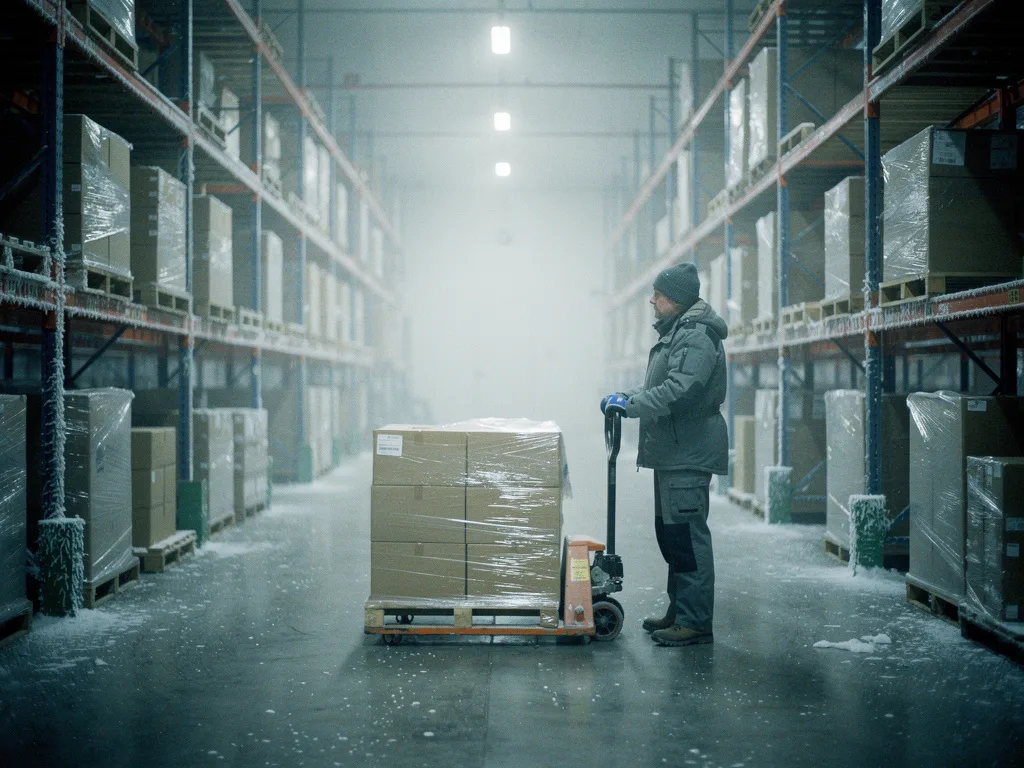
The five-minute window is won on the floor
An excursion alert is only worth the action it triggers. Navixy routes the first warning to the person nearest the load — the driver, the dock lead, the cold-store operator — with the context to act before the band is breached, instead of a post-trip report no one can undo.
- Route the first alert to the owner nearest the load
- Escalate automatically until someone acknowledges
- Keep logging through dead zones and unhooked trailers
A frozen load slips — and is pulled back before it's lost
A −18 °C frozen shipment runs its corridor until a reefer stutter lets it drift. Watch the rate-of-change alert fire on the climb, the intervention, and the proof-of-condition record that closes the trip.
- Departure — box at −18.4 °C, well in band
- Rate-of-change alert: +1.1 °C between readings
- Excursion: −12.8 °C — driver alerted, reefer reset
- Back in band; time-out-of-range logged
- Proof-of-condition record sealed
- Peak temp
- −12.8 °C Peak temp
- Time out of range
- 11 min Time out of range
- Disposition
- Released Disposition
From packet to intervention
The detection mechanism, end to end — buildable on the hardware your lanes already run.
- 01
Evaluate every packet
Each reading off a BLE/1-Wire probe or the reefer's CAN feed is normalized and checked the moment it arrives.
- 02
Test limit and rate
IoT Logic checks both the absolute band and the delta from the last valid reading, with debounce so a single spike doesn't cry wolf.
- 03
Alert and escalate
The right owner is notified in real time and the alert climbs an escalation ladder until someone acts.
- 04
Log the proof
Time-out-of-range and the full curve are recorded for the condition report — whether the load is saved or not.
Catching excursions in time
Why isn't an absolute temperature threshold enough?
Won't rate-of-change alerts create false alarms?
Does this work on product temperature or just the reefer's air?
What happens when the truck loses signal mid-excursion?
Does catching excursions in time actually pay for itself?
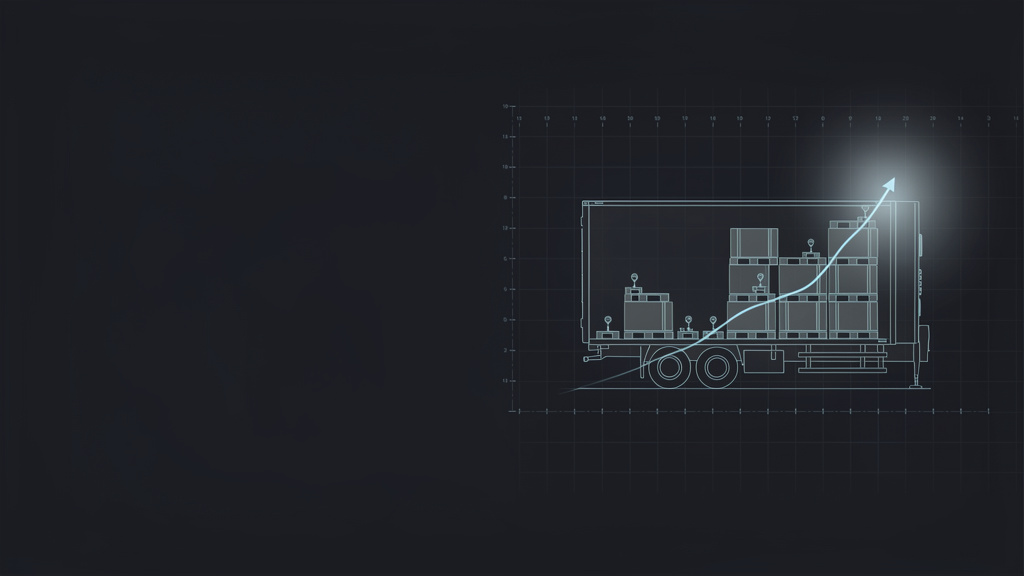
Turn excursions into saves, not write-offs
Tell us your products, lanes, and limits. We'll set up the threshold and rate-of-change flows, the escalation ladder, and the proof-of-condition reports for your cold chain — and show you how it's built.