De um registrador lido após a perda ao controle enquanto se move.
O instrumento da transportadora frigorífica tem sido um registrador baixado no pátio — documenta uma perda que nunca pode prevenir. A Navixy vincula o controlador J1939/CAN da unidade — setpoint, ar de insuflação e retorno, alarmes, combustível, horas de operação, modo e comandos bidirecionais — a sondas independentes por zona na carga, com energia solar ou bateria para que uma carreta desengatada continue reportando, com armazenamento e reenvio fechando cada lacuna em zonas sem cobertura.
- Permanência sem supervisão
- 14 h
- Sem combustível na
- hora 9
- Detectado
- sem energia do cavalo
A unidade diz que está tudo certo — esse é exatamente o problema
Uma carreta frigorífica é um sistema de fluxo de ar em movimento, não uma caixa fria uniforme: os sensores da unidade ficam na unidade, não na carga. Confiar só no display é como uma carga chega fora de especificação enquanto cada log da unidade aparece verde — e como o registrador pós-viagem só confessa quando a carga já está condenada.
Um gráfico pós-viagem documenta uma perda que não pode prevenir
Registradores baixados após a viagem, fitas e USB são lidos no pátio — nessa hora a excursão é histórica e a carga já está condenada ou em disputa. Um registro posterior pode ganhar ou perder uma reclamação, mas nunca pode acionar uma intervenção enquanto o caminhão ainda está em movimento. O controle preventivo exige telemetria pacote a pacote do ativo em movimento, não um arquivo extraído na entrega.
Um gráfico pós-viagem pode ganhar uma reclamação — mas nunca salvar a carga. O alerta precisa disparar enquanto o caminhão ainda está em movimento.
Desengatada no pátio, o monitoramento falha quando mais se precisa
Drop-and-hook e operação com pool de carretas deixam uma unidade carregada estacionada sem energia do cavalo por horas ou dias — exatamente a permanência longa e sem supervisão em que uma unidade pode falhar em silêncio, uma porta abrir ou o combustível acabar. Um gateway solar/bateria e sondas de longa autonomia continuam reportando sem energia do veículo.
Uma faixa não pode julgar congelado e resfriado ao mesmo tempo
Uma carreta multitemperatura opera um compartimento congelado (≈ −18 °C) e um resfriado (0–6 °C) ao mesmo tempo. Uma faixa de alarme única para congelado perde violações na zona resfriada; ajustada para resfriado, gera falsos alarmes no congelado — e os despachantes aprendem a ignorar alertas. A solução é uma sonda e um limite independente por zona.
O modo de operação é escolhido na unidade e nunca é auditado
Uma TRU de carreta opera cerca de 2.200 horas por ano (CARB) e pode consumir quase um galão por hora. O modo contínuo mantém a temperatura mais rígida, mas consome mais combustível; modos ciclo/start-stop e ECO reduzem combustível para cargas que toleram variabilidade — mas o modo é definido na unidade sem correlacionar com a temperatura real no baú.
Encontre uma pré-viagem com falha antes do pátio, não nele
A inspeção pré-viagem (PTI) da unidade é o autoteste funcional que produz PASS/FAIL antes do carregamento. Executada só manualmente no pátio, um FAIL aparece com a carreta posicionada e a carga esperando — o momento mais caro. Um comando de pré-viagem remota transforma esse FAIL em ordem de manutenção antes do despacho.
Deixada no pátio, a unidade esgotou o tanque em silêncio
O drop-and-hook deixa uma carreta carregada e pré-resfriada estacionada sem energia do cavalo. A TRU opera com seu próprio diesel; em uma permanência longa sem supervisão o tanque esvazia, a unidade para e o baú esquenta sem ninguém no local. Um rastreador alimentado pelo veículo apagou há horas — um gateway autônomo é o único que ainda pode gerar o alerta.
- Carga congelada a −18 °C, pré-resfriada — depois deixada no pátio
- Permanência sem supervisão no combustível próprio da TRU, sem cavalo
- Combustível acaba — a unidade desliga sem ninguém no local
- O baú ultrapassa o teto de −15 °C, unidade parada
- Gateway autônomo alerta; equipe do pátio reabastece e reinicia
- De volta na faixa — a excursão de permanência fica registrada
- Permanência sem supervisão
- 14 h Permanência sem supervisão
- Sem combustível na
- hora 9 Sem combustível na
- Detectado
- sem energia do cavalo Detectado
Do barramento da unidade à comprovação pronta para auditoria, em quatro passos
A mesma plataforma composável por trás de operações de frota e campo, configurada para a carreta frigorífica — agnóstica ao OEM na unidade, carga, energia e comprovação.
- 01
Vincule o controlador da unidade
Leia a unidade via CAN / J1939 — setpoint, ar de insuflação/retorno, códigos de alarme, combustível, horas de operação, modo e estado de energia — via telemática OEM (Thermo King, Carrier Transicold) ou gateway de terceiros, e adicione comandos bidirecionais: pré-viagem remota, setpoint, modo de operação, degelo e limpar alarmes.
- 02
Veja a carga, não só a unidade
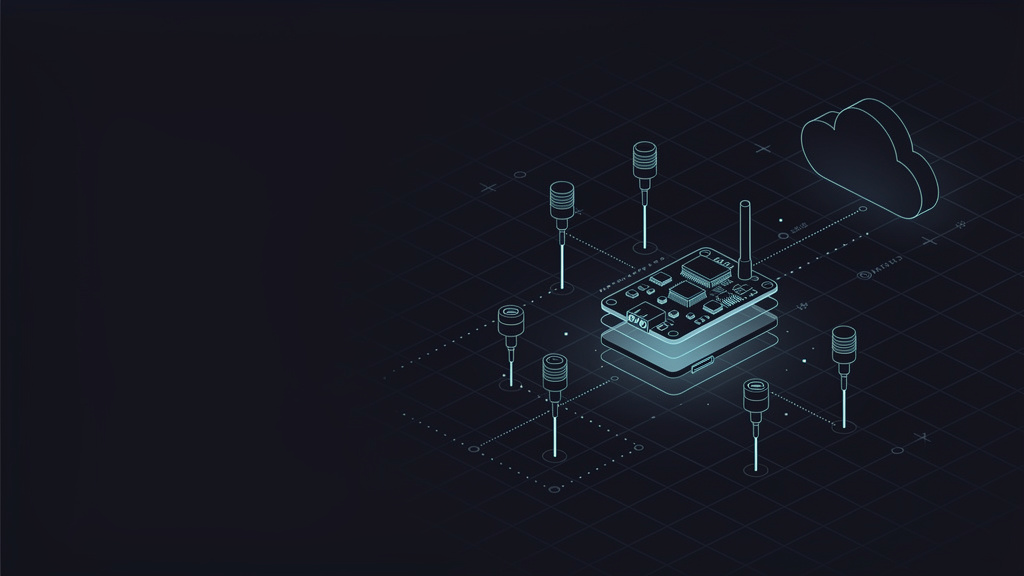
Sondas 1-Wire / BLE independentes por zona vão na carga — frente, meio, traseira e na porta — lidas contra o ar de insuflação/retorno da unidade. Energia solar ou bateria mantém carretas desengatadas reportando, e armazenamento e reenvio embarcado (mais satélite no intermodal) fecha zonas sem cobertura celular.
- 03
Decida por zona, escalone por responsável
Sensores virtuais por zona carregam regras IoT Logic independentes; divergência insuflação vs carga e taxa de variação detectam aquecimento antes do limite absoluto, e uma escada de escalonamento direciona cada alerta real a um responsável com primeira ação — comandar a unidade, despachar ou rerrotear.
- 04
Comprove — e otimize o ativo
O IoT Query monta MKT, tempo fora da faixa, modo vs temperatura no baú, e combustível / horas por rota e ativo em comprovação de condição pronta para auditoria e KPIs de utilização do pool de carretas — apoiando FSMA e GDP, resolvendo reclamações, por API aberta e marca branca.
Fale a linguagem da unidade — em qualquer marca, modelo e OEM
Uma carreta frigorífica é um problema de captura em quatro camadas: controlador da unidade, carga, energia e conectividade, e contexto operacional. A Navixy normaliza as quatro em um modelo de dados em mais de 2.500 modelos, para que transportadora ou integrador não fique preso a um gateway OEM ou monólito — com controle bidirecional onde a unidade suporta.
- Unidade frigorífica via CAN / J1939 — setpoint, ar de insuflação/retorno/ambiente por zona, códigos de alarme, combustível, horas de operação, modo e estado — via telemática OEM (Thermo King TracKing, Carrier Lynx Fleet) ou gateway CAN de terceiros em frotas mistas
- Controle bidirecional onde a unidade suporta: pré-viagem remota (PTI), setpoint, modo de operação, degelo e limpar alarmes — para que uma falha vire ordem de manutenção antes do despacho
- Sondas de carga independentes por zona — 1-Wire (~1/16 °C) ou registradores BLE classe EN 12830 / ISO-17025 — frente/meio/traseira e na porta, lidas contra os sensores de ar da unidade, não no lugar deles
- Gateways solar/bateria autônomos e sensores de longa autonomia mantêm carretas desengatadas em pool reportando; armazenamento e reenvio embarcado (e satélite / dual-mode no intermodal) fecha cada lacuna em zonas sem cobertura
- Regras IoT Logic por zona e escada de escalonamento, depois IoT Query com MKT / tempo fora da faixa / KPIs de utilização e exportação de comprovação pronta para auditoria por API aberta e marca branca
Um modelo em mais de 2.500 modelos de dispositivos — mantenha a telemática OEM da unidade frigorífica ou adicione um gateway CAN de terceiros; regras, comprovação e API permanecem iguais em frotas mistas e com contratados.
Transforme a carreta na prova — não na disputa
Uma transportadora que mede em primeira mão — unidade via CAN, sondas por zona, GPS e porta, tudo sincronizado — detém a cadeia de custódia em vez de depender da palavra do embarcador. A mesma telemetria que ganha uma reclamação por carga rejeitada também transforma pools de drop-trailer em ativos inteligentes e utilizados: permanência, tempos de giro e «esta carreta está carregada, pré-resfriada e onde?»
- Condição da unidade + por zona em primeira mão, sincronizada com GPS e porta — seu registro, não a estimativa do embarcador
- Um pacote de comprovação de condição resolve uma reclamação e atende relatórios FSMA / GDP
- Os mesmos dados impulsionam a utilização do pool — permanência, giro, carregada/pré-resfriada/onde
O que transportadoras e integradores perguntam
A leitura de temperatura da própria unidade não basta?
Como monitorar uma carreta multitemperatura com congelado e resfriado ao mesmo tempo?
O que acontece quando uma carreta fica no pátio sem energia do cavalo?
Como manter um registro completo em zonas sem cobertura celular?
Posso executar uma pré-viagem (PTI) antes da carreta chegar ao pátio?
Como transportadoras reduzem combustível de refrigeração sem arriscar a carga?
Preciso substituir minhas unidades frigoríficas ou rastreadores?
Veja a carga em movimento — e comande a unidade que a transporta
Conte-nos sua mistura de frota, marcas de unidades e rotas. Mapearemos o caminho do gateway J1939 ou telemática OEM, posicionamento de sondas por zona, plano solar/bateria e de armazenamento e reenvio, regras IoT Logic por zona e escada de escalonamento, e exportações de comprovação e utilização do IoT Query — para intervir em viagem em vez de provar a perda depois.