Comprove que cada remessa permaneceu na cadeia de frio.
Navixy transforma a telemetria de unidade frigorífica, sensores e GPS em uma visão ao vivo de cada carga refrigerada — detectando desvios de temperatura em tempo real, escalonando-os automaticamente e consolidando condição + localização em comprovações prontas para auditoria. No hardware de sua escolha.
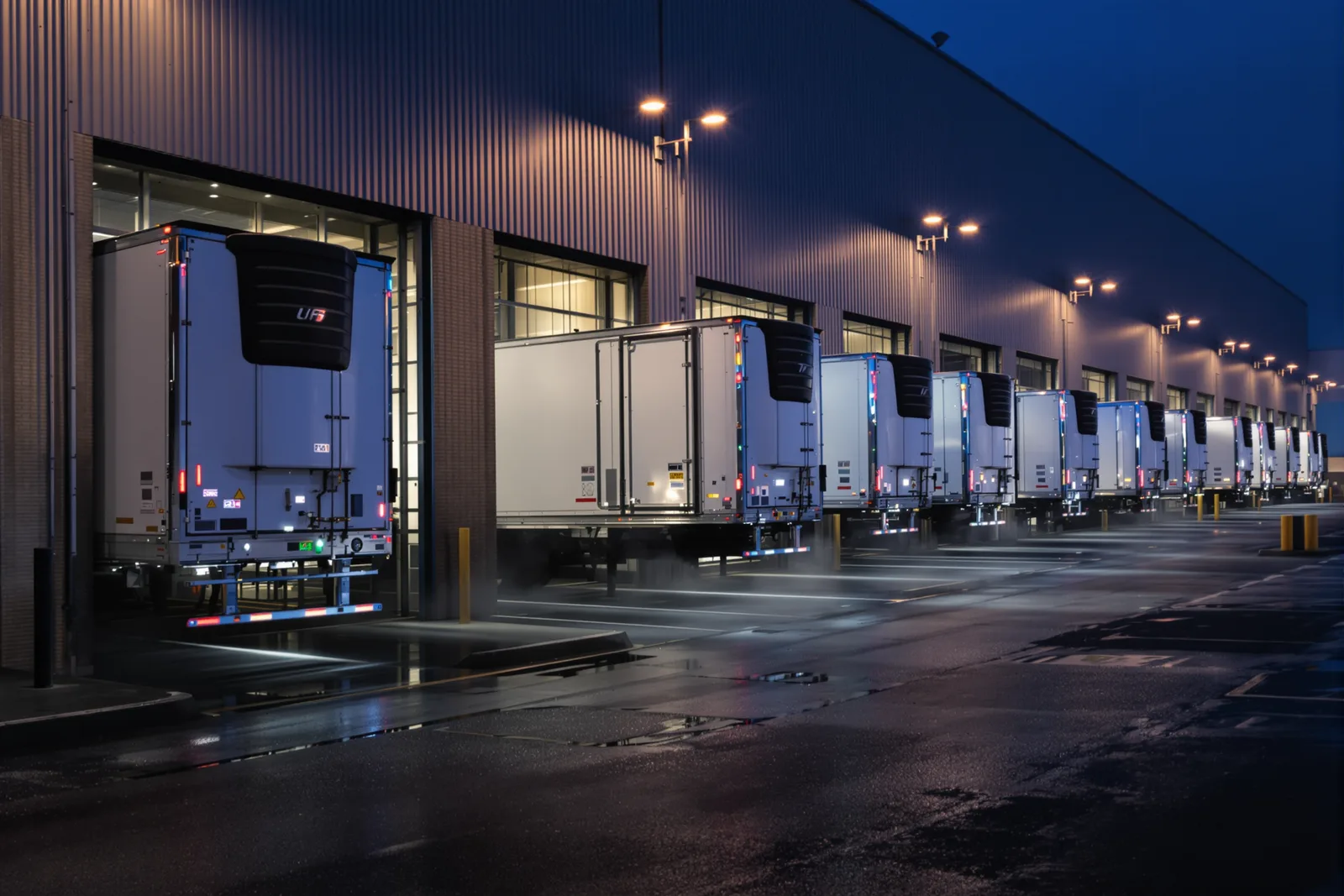
- Temperatura cinética média
- 5,9 °C
- Tempo fora da faixa
- 8 min
- Disposição
- Liberada
Condição em cada remessa — não apenas um ponto no mapa
Uma plataforma para telemetria da unidade frigorífica, sensores de carga, localização e a comprovação por trás de cada remessa — para que um problema de temperatura se torne um alerta acionável e, depois, um registro defensável.
Localização e condição da carga, juntos
Correlacione GPS, cercas geográficas, eventos de porta e temperatura em uma única linha do tempo. Quando uma carga é questionada, a resposta é um registro com data e hora — não uma discussão.
- Ar de insuflação
- 4,2 °C
- Eventos de porta
- 2 · autorizados
- Custódia
- 3 transferências
Detecte desvios em tempo real
Alerta no limite absoluto e na taxa de variação entre leituras — para que uma unidade frigorífica com falha ou uma porta aberta seja detectada antes de a faixa ser ultrapassada.
Leia a unidade frigorífica, não apenas o contêiner
Ingira ponto de ajuste, ar de insuflação e ar de retorno, alarmes, combustível e horas de funcionamento diretamente da unidade via CAN / J1939 — convertendo falhas em manutenção, não em perdas.
Mantenha a cadeia de custódia
Registre cada transferência da câmara fria à última milha, com contexto de porta e localização, para que a responsabilidade por um desvio esteja registrada, não contestada.
Gere comprovações prontas para auditoria
Temperatura cinética média, tempo fora da faixa e histórico completo de condição — gerados automaticamente com IoT Query, não montados à mão antes de uma auditoria.
Sete cadeias de frio, cada uma defendida em seus próprios termos
Os mesmos blocos de construção defendem uma vacina de 2–8 °C, um pallet congelado, uma caixa viva de hortifruti e uma carga regulamentada de alto valor. O que muda é o modo de falha — e os sensores e regras que você direciona para ele.
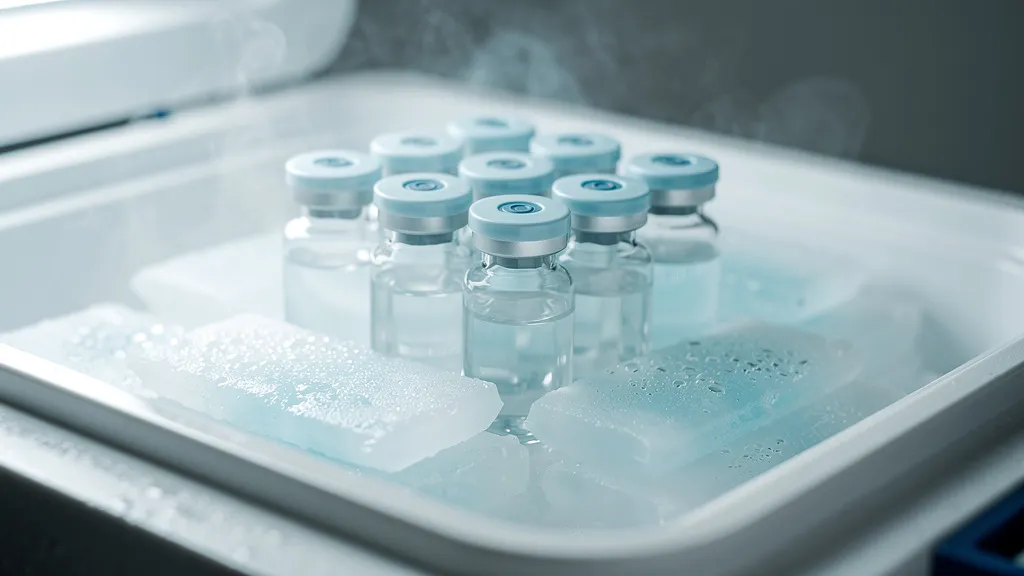
A ameaça não é o calor — é o congelamento que você nunca vê
- Corredor GDP, geralmente 2–8 °C
- Mais de 30% dos injetáveis são sensíveis ao congelamento — uma breve queda abaixo de 0 °C pode comprometer silenciosamente a potência
- Registrado a cada 1–5 minutos, 24/7
Todos monitoram o limite superior, mas a maioria das remessas de vacinas registra pelo menos um evento de congelamento em trânsito — e alguns minutos encostados na parede fria da unidade frigorífica degradam a potência sem que o destinatário perceba nada. A carga parece boa e já não tem valor.
Coloque um registrador BLE calibrado dentro do contêiner de transporte, não apenas na parede, com amostragem a cada 1–5 minutos; IoT Logic alerta sobre a faixa e a taxa de variação, e IoT Query consolida a temperatura cinética média e o tempo fora da faixa no registro qualificado e exportável que uma auditoria GDP realmente exige.
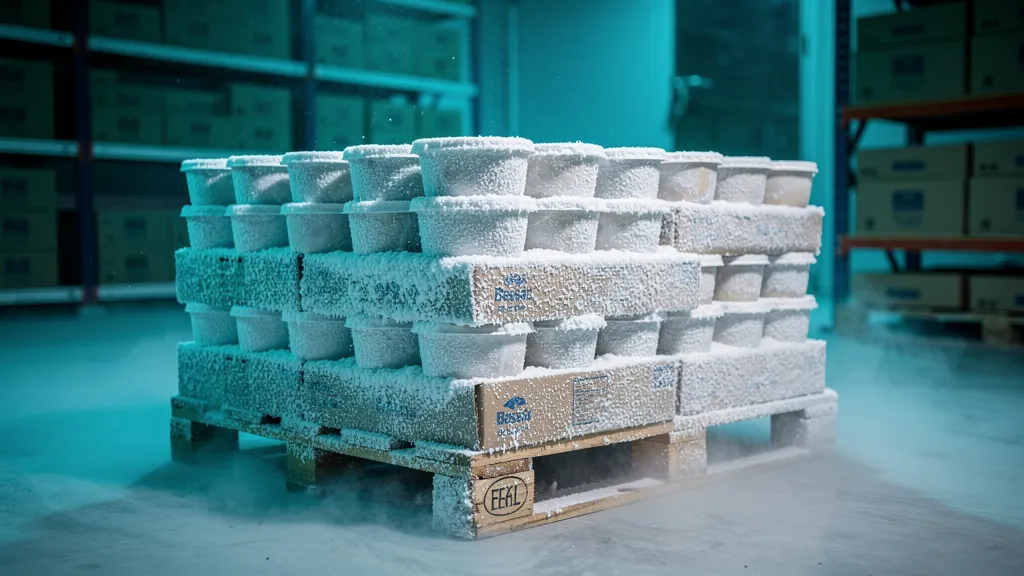


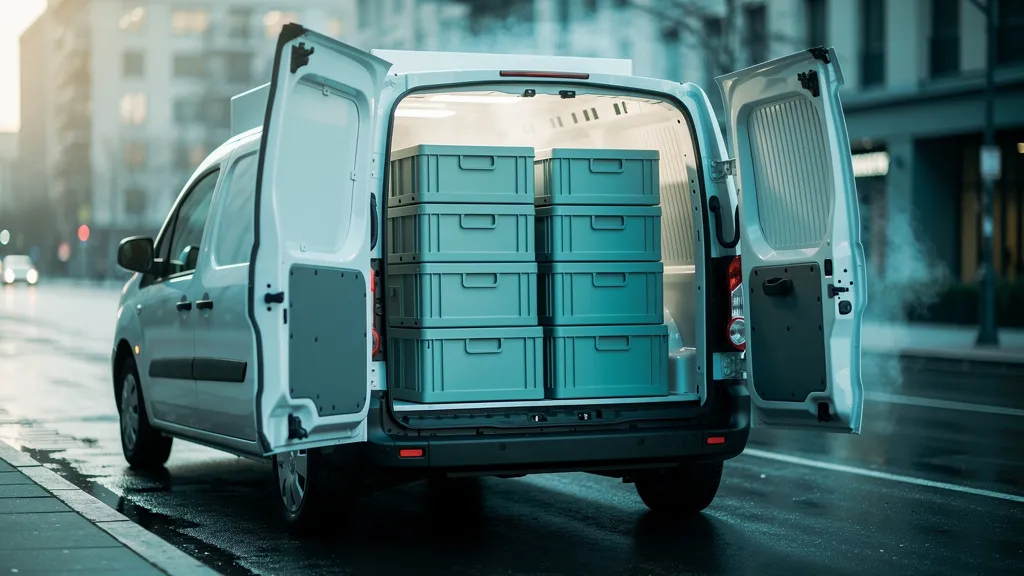

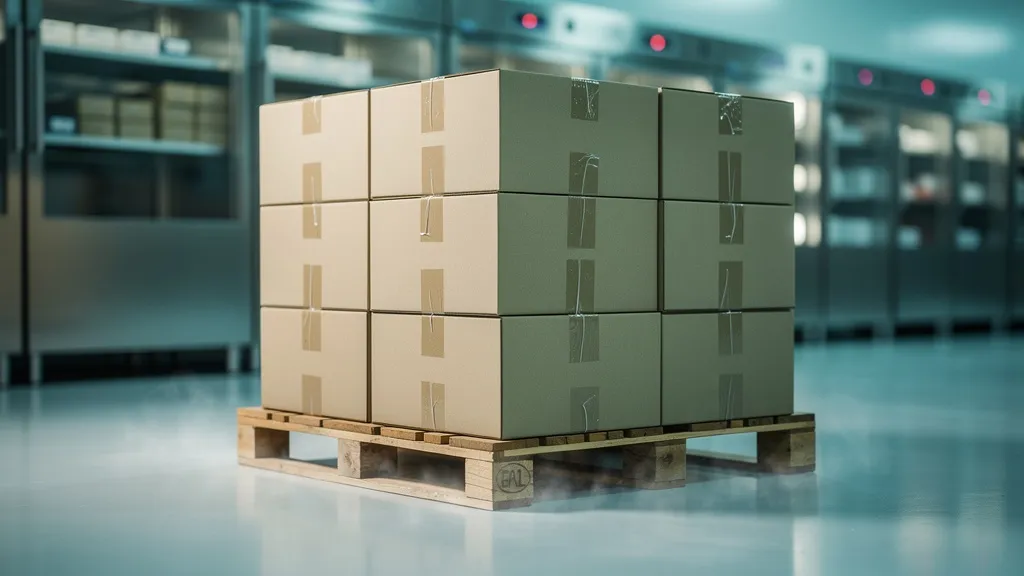
Uma porta aberta no cross-docking — detectada, escalonada e comprovada
Uma carga refrigerada percorre um corredor de 2–8 °C da origem até o destino final. Acompanhe o momento em que ela sai da faixa — e como Navixy transforma isso em um alerta, uma intervenção e um registro defensável.
- Partida — caixa pré-resfriada a 4 °C, na faixa
- Porta aberta no cross-docking — entrada de ar quente
- Alerta de taxa de variação disparado antes do limite de 8 °C
- Desvio: 11,2 °C — despachante alertado, porta fechada
- De volta à faixa; tempo fora da faixa registrado automaticamente
- Registro de comprovação de condição selado para o destinatário
- Temperatura cinética média
- 5,9 °C Temperatura cinética média
- Tempo fora da faixa
- 8 min Tempo fora da faixa
- Disposição
- Liberada Disposição
Do sensor à comprovação, em quatro etapas
A mesma plataforma composável que gerencia operações de frota e campo, configurada para cadeia de frio. Cada etapa é construída com o hardware que você já usa.
- 01
Monitorar
Leia a condição de qualquer fonte — sondas de carga BLE e 1-Wire, dados CAN/J1939 da própria unidade frigorífica, porta e combustível — e posicione as sondas na carga, pois o ar de insuflação não é a temperatura do produto.
- 02
Decidir
Transforme telemetria em ação com IoT Logic: regras de limite e taxa de variação, correlação de porta e cerca geográfica, e um escalonamento definido. Comece com fluxos prontos que você pode baixar e importar.
- 03
Agir
Intervenha enquanto a remessa ainda está em movimento — alerte o responsável correto, ligue para o motorista, reencaminhe ou prepare a doca de recebimento — em vez de descobrir a perda na entrega.
- 04
Comprovar
Encerre cada viagem com IoT Query: temperatura cinética média, tempo fora da faixa e um registro completo de cadeia de custódia, exportável para auditorias e defesa de reclamações.
Compatível com as unidades frigoríficas, sensores e sistemas que você já usa
Navixy normaliza mais de 2.500 modelos de dispositivos em um único modelo de dados, para que você use o hardware que suas rotas precisam — e envie os resultados para onde seu negócio já opera.
- CAN/J1939 de unidade frigorífica (Thermo King, Carrier), sondas BLE e 1-Wire, porta, combustível e GPS — um único modelo
- Sem substituição total: mantenha seus rastreadores e adicione sensores de carga
- Buffer offline e armazenamento e reenvio sobrevivem a zonas sem cobertura e carretas desconectadas
- Envie para seu TMS / WMS / BI via API aberta e webhooks — e distribua com white-label
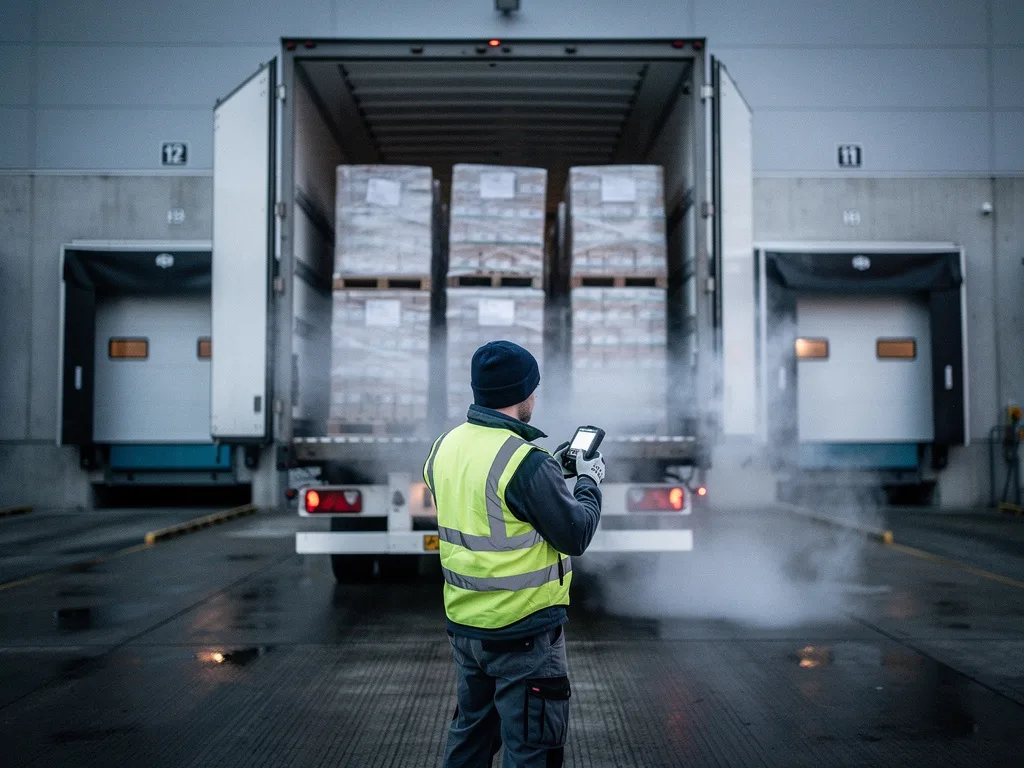
“Antes, só descobríamos que uma carga estava aquecida quando o destinatário a recusava. Agora, o alerta chega ao nosso despachante enquanto o caminhão ainda está em movimento — e quando uma loja ainda contesta uma entrega, o registro de temperatura resolve em minutos.”
Perguntas que as equipes de cadeia de frio fazem
A leitura de temperatura da própria unidade frigorífica não basta?
Precisamos trocar o nosso hardware?
O que acontece em zonas sem cobertura celular ou quando uma carreta está estacionada?
O sistema consegue gerar os registros que nossos auditores e clientes exigem?
O monitoramento da cadeia de frio realmente se paga?
Qual é a diferença em relação a uma plataforma de rastreamento que integra dados de transportadoras?
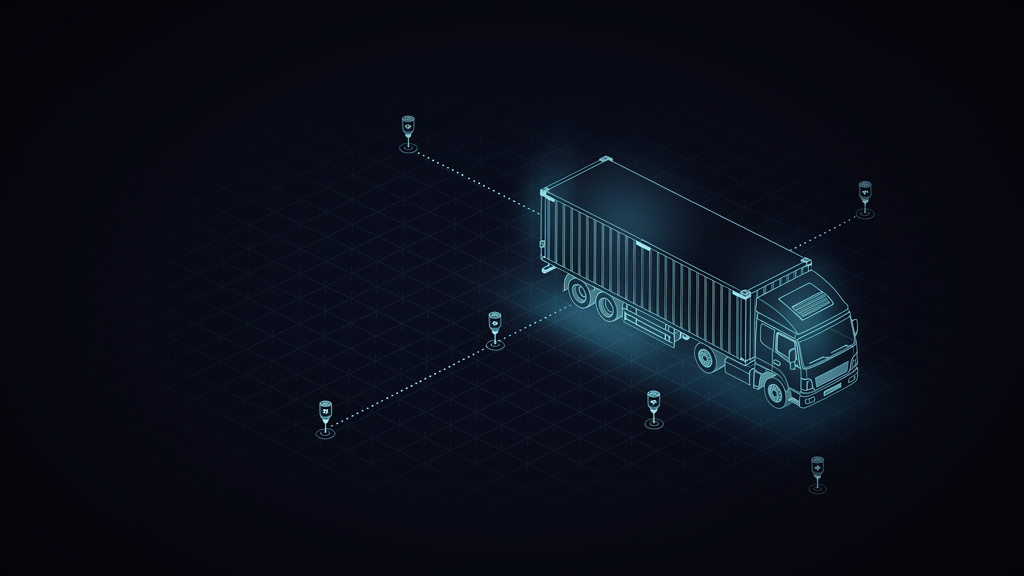
Traga uma rota ou toda a sua rede para dentro do controle
Conte-nos sobre seus produtos, rotas e requisitos de conformidade. Mapearemos os sensores, fluxos de IoT Logic e relatórios para a sua cadeia de frio — e mostraremos o registro de comprovação de condição em que seus clientes vão confiar.