Nem tudo que é “frio” é frio — e a disputa custa tanto quanto a carga.
Uma grande classe de carga regulamentada de alto valor nunca vê uma geladeira: biológicos em temperatura ambiente controlada, eletrônicos sensíveis à umidade, químicos de janela estreita, arte e vinhos finos. Com uma única carga de seis dígitos, o caro raramente é o grau ou dois — é a disputa sobre quem causou o desvio e quem detinha a mercadoria, mais a umidade, o choque e a violação que um registrador só de temperatura não detecta. A Navixy vincula tudo a uma linha do tempo de cadeia de custódia.
- Pico (mín/máx)
- 28,6 °C
- MKT
- 24,6 °C ≤ 25
- Veredito
- liberada por registro
A disputa é a custódia — não o grau ou dois
Com uma carga de seis dígitos, o produto destruído é só a ponta visível. O ativo decisivo não é uma caixa mais fria — é um registro multiparte com carimbo de tempo em umidade, choque, violação e custódia, porque quem tiver a documentação mais fraca costuma assumir a perda.
A temperatura pode passar enquanto a carga ainda falha
Neste segmento a temperatura é um de vários eixos de falha. O aumento de umidade racha eletrônicos sensíveis à umidade no reflow; uma queda quebra um instrumento ou moldura; umidade baixa eleva estática (ESD); abertura por violação é roubo ou quebra de custódia. Um registrador só de temperatura reporta viagem limpa e é cego a todos eles.
Um registrador só de temperatura reporta viagem limpa — e não detecta o aumento de umidade, a queda e a abertura por violação que na verdade condenaram a carga.
Nem tudo que é “frio” é frio
USP <659> define temperatura ambiente controlada como 20–25 °C, com desvios permitidos de 15–30 °C somente se a temperatura cinética média (MKT) permanecer ≤ 25 °C. Biológicos TAC, sólidos orais, eletrônicos e químicos viajam isolados mas sem refrigeração — ficam fora de todo programa centrado em reefer embora sejam igualmente regulamentados.
O registro mais fraco assume a perda
Pela lei de carga (Carmack nos EUA, Volcafe v CSAV no Reino Unido), uma vez demonstrado que a carga saiu conforme e chegou danificada, paga quem não documentar a devida diligência. Cada desvio vira disputa multiparte — e só a investigação custa US$ 3.000–10.000 e pode dobrar o custo do evento.
A umidade tem faixa de risco em ambas as extremidades
Eletrônicos sensíveis à umidade carregam vida útil no piso JEDEC MSL medida a ≤ 30 °C / 60% UR; excedê-la racha peças no reflow ou falha em campo. Enquanto isso, umidade baixa eleva risco ESD. O extremo seco e o úmido do «ambiente» são cada um seu perigo — invisível ao termômetro.
Os corredores mais visados por criminosos
Eletrônicos e farmacêuticos são as principais classes de mercadoria alvo de roubo, e a perda média por roubo de carga subiu para US$ 273.990 (Verisk CargoNet, 2025). Regras de porta fora da cerca geográfica, desvio de rota e parada acrescentam prevenção de perdas ao mesmo dispositivo e registro que a qualidade.
Dentro dos limites por mín/máx — julgado pela temperatura cinética média
Carga ambiente controlada raramente falha por pico; deriva. Mínimo e máximo podem permanecer dentro das margens de desvio de 15–30 °C enquanto a MKT — a média ponderada por Arrhenius com a qual a USP julga a liberação — se aproxima do teto de 25 °C. Retenção de verão em cross-docking sem climatização é a causa clássica.
- Coleta na faixa TAC a 22 °C
- Retida em cross-docking sem climatização
- Deriva acima do teto de 25 °C — ainda dentro da margem de desvio 15–30 °C
- MKT subindo em direção ao limite de 25 °C — o número que define a liberação
- Proprietário alertado; carga movida para área climatizada
- Entregue — MKT 24,6 °C ≤ 25, liberável por registro
- Pico (mín/máx)
- 28,6 °C Pico (mín/máx)
- MKT
- 24,6 °C ≤ 25 MKT
- Veredito
- liberada por registro Veredito
Do sensor à prova defensável, em quatro passos
A mesma plataforma composável por trás de frota e operações de campo, configurada para carga ambiente controlada de alto valor — multissensor, consciente de custódia e pronta para auditoria.
- 01
Sensores na mercadoria, cada eixo
Sensores BLE / 1-Wire multissensor — temperatura, umidade, choque/inclinação de 3 eixos, luz/violação e porta — dentro do pacote ou no quadro com a mercadoria, não na parede do veículo. Sondas EN 12830 / classe ISO-17025 onde grau de auditoria é necessário, com registro no dispositivo para que o registro não tenha lacunas entre transferências.
- 02
Regras alinhadas à realidade
IoT Logic suprime desvios dentro de uma cerca geográfica de descarga autorizada e dispara em qualquer outro lugar, executa taxa de variação multiparâmetro em cada canal e adiciona desvio de rota e parada para vigiar um corredor alvo de roubo no mesmo dispositivo.
- 03
Uma linha do tempo de custódia, cada trecho
Alertas multiparte chegam a cada custodiante e ao QA do embarcador na transferência, e a custódia é segmentada por trecho — quando uma carga é disputada, a responsabilidade é atribuída exatamente onde o registro mostra a falha, não debatida entre partes por meses.
- 04
Prove ao QMS
IoT Query monta MKT, tempo fora da faixa, histórico de desvios e cadeia de custódia em exportações alinhadas à 21 CFR Part 11 pela API aberta — evidência contínua com carimbo de tempo gerada em tempo real, não montada à mão na véspera de uma auditoria.
Um registro multissensor — para qualidade, sinistros e prevenção de perdas
O requisito definidor deste segmento é dados de condição multissensor sincronizados no tempo colocados com a mercadoria, normalizados em mais de 2.500 modelos de dispositivos. Um registro serve a três fins: o QMS que libera o lote, o sinistro que recupera a perda e a mesa de segurança que protege um corredor alvo de roubo.
- Sensores BLE / 1-Wire multissensor — temperatura + umidade + choque/inclinação de 3 eixos + luz/violação + porta — dentro do pacote ou no quadro, não na parede do veículo
- Grau de auditoria onde necessário: sondas certificadas EN 12830, calibradas ISO-17025 com registro a bordo (~33k registros) e armazenamento e reenvio em retenções alfandegárias e travessias longas
- Regras de desvio delimitadas por cerca geográfica, taxa de variação multiparâmetro e desvio de rota / porta fora da cerca / parada — qualidade e segurança em um dispositivo
- Alertas multiparte a cada custodiante e ao QA do embarcador, com custódia segmentada por trecho, para atribuir responsabilidade onde o registro mostra a falha
- IoT Query MKT / tempo fora da faixa / cadeia de custódia exportados ao QMS como registros eletrônicos alinhados à 21 CFR Part 11 pela API aberta, marca branca
Um registro normalizado em mais de 2.500 modelos de dispositivos — exportado ao seu QMS pela API aberta; o mesmo registro que satisfaz a auditoria defende um sinistro e um caso de roubo.
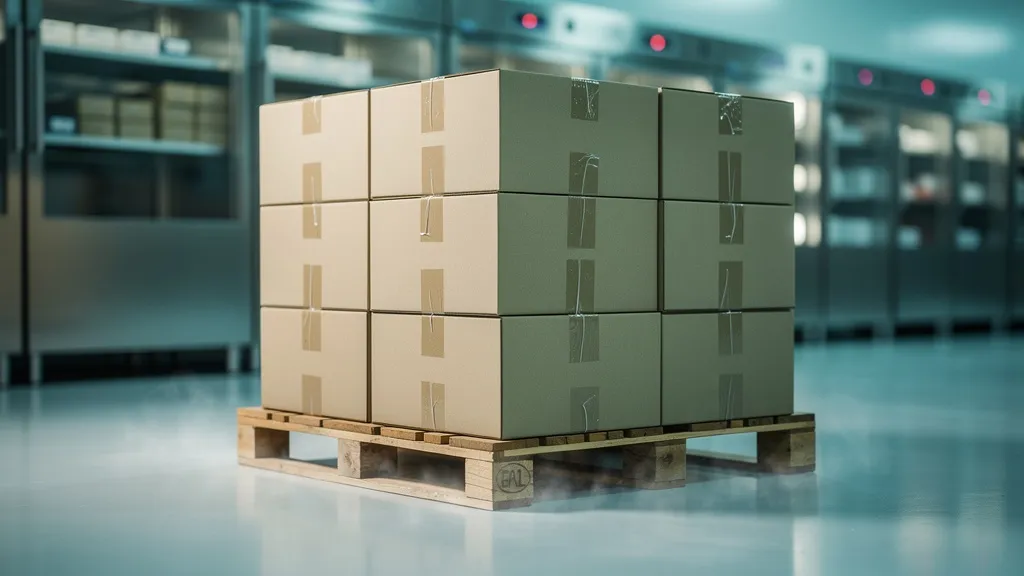
Coloque a prova dentro da caixa — com a mercadoria, não na parede
Um dispositivo que viaja com a carga — dentro do pacote, no quadro — captura temperatura, umidade, choque e violação calibrados contra GPS e hora. Para uma terapia celular e gênica de seis dígitos é a diferença entre lote liberado e lote baixado; para um empréstimo de arte fina é o registro que seguradora e credor exigem antes do transporte.
- Condição multissensor calibrada colocada com a mercadoria — o registro que auditores e seguradoras aceitam
- Cadeia de custódia contínua e sem lacunas em cada trecho e retenção alfandegária
- Uma exportação ao QMS — MKT, tempo fora da faixa, custódia — pela API aberta
O que perguntam equipes de qualidade, risco e integração
O que exatamente é “temperatura ambiente controlada”, e é só 15–25 °C?
Se a carga não é refrigerada, por que monitorá-la?
Rejeitaram uma carga de seis dígitos — como provo quem causou o desvio?
Por que a umidade importa tanto quanto a temperatura para eletrônicos?
Uma regra pode lidar com carga legitimamente descarregada em doca quente?
Meus registros satisfazem GDP e 21 CFR Part 11 para produto TAC?
O que a TAPA acrescenta para cargas de alto valor alvo de roubo?
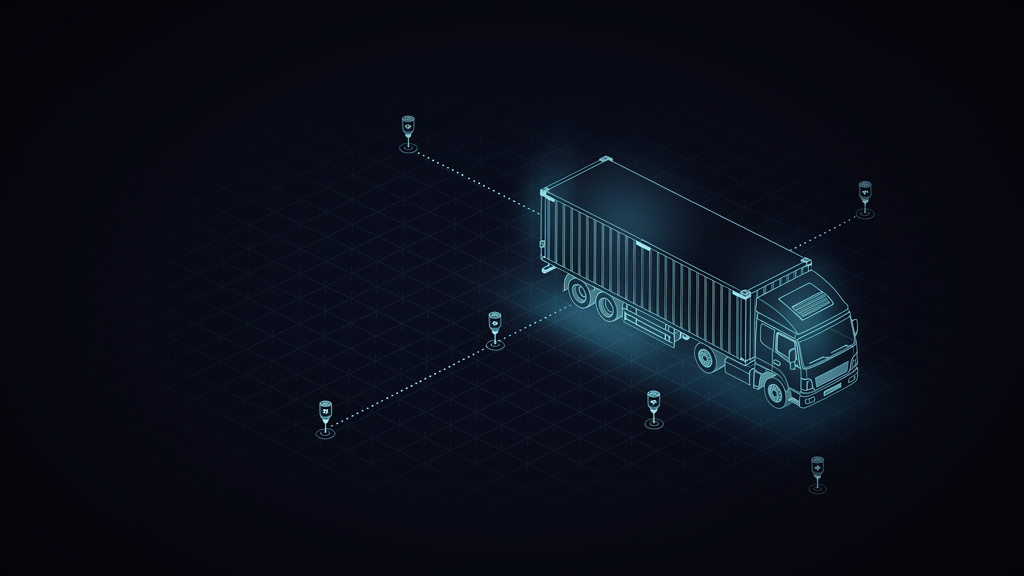
Resolva a disputa por registro — não por argumento
Conte-nos sua classe de carga, corredores e QMS. Mapearemos o hardware multissensor — temperatura, umidade, choque, violação e porta — as regras de desvio e segurança delimitadas por cerca geográfica, a linha do tempo de cadeia de custódia e as exportações de MKT e custódia — para que uma carga de seis dígitos em disputa seja resolvida em minutos, um lote conforme não seja rejeitado automaticamente por registro ausente, e qualidade e prevenção de perdas operem em uma plataforma.