A cadeia quebra na 30ª porta aberta — na van que não é sua.
Na última milha a cadeia de frio raramente quebra por falha da unidade frigorífica. Quebra na operação — com trinta portas abertas por turno, vans de contratados que não são suas e não dá para cabear, e motoristas que desligam o equipamento para ficar com o combustível reembolsado. A Navixy instala terminais plug-in e sensores BLE adesivos em minutos, correlaciona o estado de energia do equipamento com a curva de temperatura e atribui um responsável a cada alerta de porta, cerca geográfica e parada.
- Equipamento desligado
- 1 h 50 m
- Temp. máxima
- 9,5 °C
- Exposto
- desligamento para economizar combustível
A unidade está ok — a rota é o modo de falha
Em uma rota multi-entrega a unidade costuma estar saudável; a cadeia quebra na operação — na porta, na van que não é sua e no trecho sem energia nem sinal. A Navixy foi feita para esse trecho e para as frotas rotativas e alugadas que o operam.
Médias escondem a parada que estragou o pedido
Uma carga que na média parece boa pode ter arruinado o pedido entregue na parada 19. A avaliação por parada e por pacote — permanência com porta aberta e taxa de variação entre leituras — sinaliza a entrega com falha enquanto a van ainda está na calçada, não dias depois como reclamação do cliente.
Em um estudo, >76 % das caixas de meal-kit chegaram com algum item acima da zona de 4,4 °C — a avaliação por parada e por pacote detecta o que uma média da viagem esconde.
Não dá para cabear uma van que não é sua
A capacidade de última milha depende cada vez mais de veículos de contratados e alugados que rotacionam semanalmente — um chicote de um dia na oficina não é viável. Terminais OBD/soquete plug-in e sensores BLE adesivos implantam em minutos e trocam entre vans, vinculados à rota, não ao veículo.
Trinta portas abertas, não uma unidade quebrada
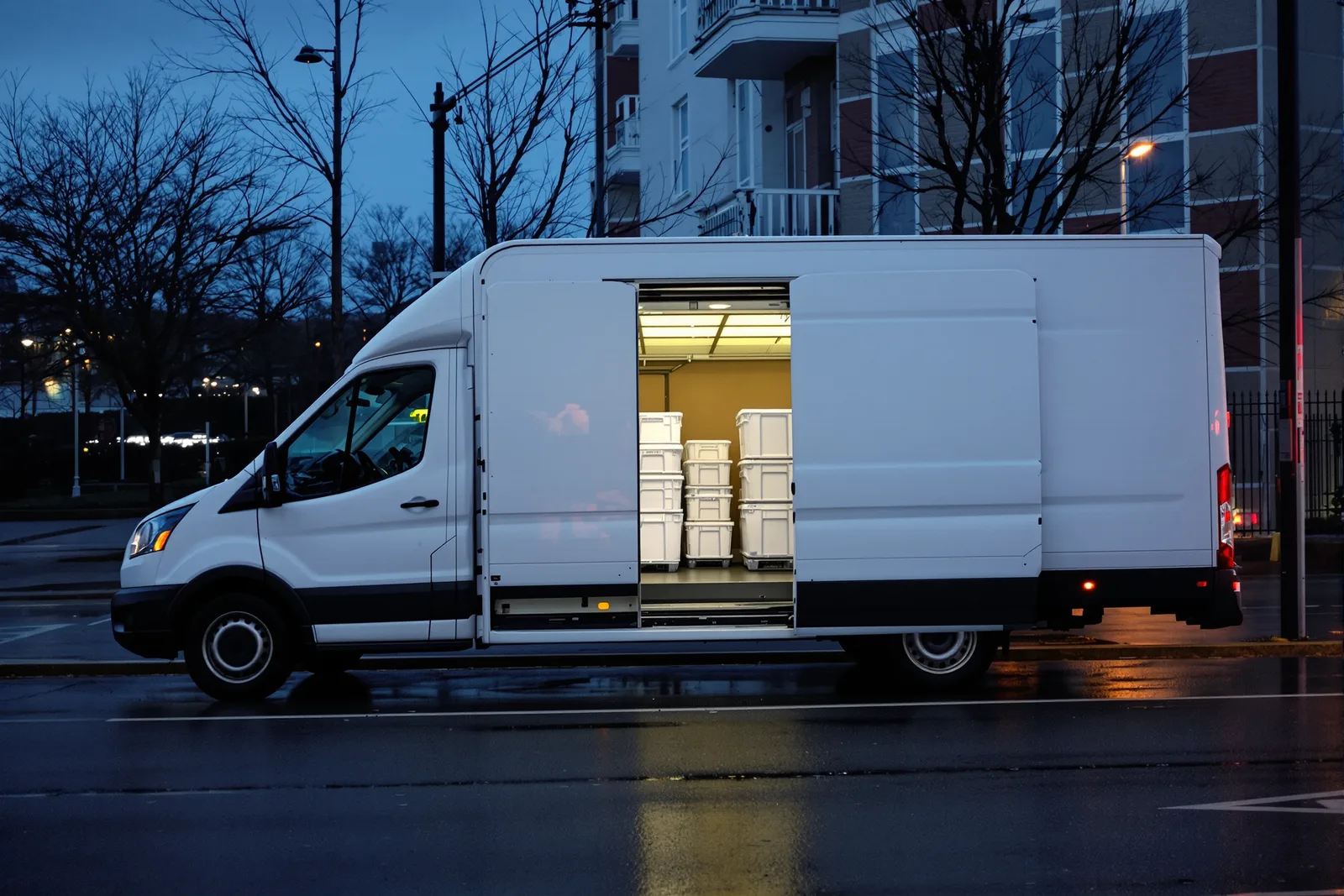
Uma abertura de um minuto pode elevar o ar interno até 33 °C com mais de uma troca completa de ar (USDA). Em 20–40 paradas a caixa não se recupera entre entregas — e um registrador de uma leitura por hora passa direto pelo degrau.
Sem energia, sem sinal — ainda há registro
Muitas vans de entrega levam caixas passivas, sem energia reserva e com conectividade irregular. Registradores com bateria armazenam e reenviam ao reconectar, para que a trilha de auditoria não tenha buracos na calçada, onde ocorrem a maioria das entregas.
Cada entrega disputada vira registro
A entrega veículo–destinatário é o ponto mais vulnerável para custódia e integridade de temperatura. Um registro de condição e custódia por parada com carimbo de tempo transforma o « disse/disse » sobre qual parada falhou em prova que encerra a reclamação em minutos.
Sem porta aberta, sem falha — o equipamento simplesmente foi desligado
Quando o combustível é reembolsado por rota, usar menos o equipamento permite ao motorista revender a economia. Não há evento de porta nem falha de equipamento — só uma subida lenta de temperatura em um trecho de rodovia. Correlacionar o estado de energia do equipamento com a curva de temperatura é o único jeito de detectar.
- Carregado refrigerado a 3 °C — unidade ligada
- Trecho longo sem paradas — e a caixa começa a esquentar
- Estado de energia do equipamento: DESLIGADO com carga a bordo
- A temperatura sobe com a unidade desligada — sem evento de porta
- Responsável alertado; o motorista restaura a unidade
- Entregue de volta na faixa — o desligamento em trânsito fica registrado
- Equipamento desligado
- 1 h 50 m Equipamento desligado
- Temp. máxima
- 9,5 °C Temp. máxima
- Exposto
- desligamento para economizar combustível Exposto
De uma van alugada a um registro por parada, em quatro passos
A mesma plataforma composável por trás de operações de frota e campo, configurada para o trecho que não é seu — em hardware que não precisa de chicote nem dia na oficina.
- 01
Instale em minutos, troque entre vans
Terminais OBD/soquete plug-in e sensores BLE adesivos de temperatura e porta implantam em segundos sem fiação, e a Navixy vincula o dispositivo à rota ou ao ativo — para que as regras sigam a carga mesmo quando a van do contratado rotacionar na semana seguinte.
- 02
Decida por entrega, não por viagem
O IoT Logic dispara por permanência com porta aberta e taxa de variação entre pacotes, delimita alertas a cercas geográficas e janelas de entrega para que aberturas autorizadas fiquem silenciosas, e correlaciona o estado de energia do equipamento com a curva de temperatura para expor uma unidade desligada em trânsito.
- 03
Aja em movimento — cada alerta tem responsável
A escada de escalonamento encaminha cada alerta real a um responsável nomeado com uma primeira ação — notificar o app do motorista, ligar para o despacho, rerrotear ou comando — para que o produto pare de esquentar enquanto as pessoas discutem quem liga para o motorista.
- 04
Comprove por parada
O IoT Query monta temperatura por entrega, eventos de porta, localização e entregas de custódia em comprovações de condição exportáveis e scorecards do motorista — compatíveis com FSMA e GDP, resolvendo chargebacks e transformando monitoramento em operação.
Feito para o trecho que não é seu — minutos para instalar, um responsável por alerta
A última milha limita mais o hardware que o transporte de longa distância: minutos para instalar, troca entre veículos, resistir sem energia e sem sinal. A Navixy normaliza terminais plug-in, sensores BLE adesivos, porta, estado de energia do equipamento e GPS em um único modelo de dados em mais de 2.500 modelos de dispositivos e torna os alertas acionáveis.
- Terminais OBD/soquete plug-in + registradores BLE adesivos de temp./umidade instalam em minutos e trocam entre vans de contratados rotativas e alugadas
- Sensores de porta (ímã BLE ou reed), cercas geográficas GPS e temporizadores de parada vinculam « porta aberta » e « subida de temp. » ao local e à duração
- Estado de energia do equipamento (CAN / J1939 ou entrada de ignição) correlacionado com a curva na caixa expõe uma unidade desligada em trânsito
- Armazenamento e reenvio a bordo preenche zonas sem cobertura na calçada — estacionamentos, vãos urbanos — para registros por parada sem lacunas
- Regras delimitadas por cerca geográfica e janela mais escada de escalonamento dão a cada alerta real um responsável e uma primeira ação; scorecards por entrega e exportação de prova via API aberta, marca branca
O escopo por cerca geográfica e janela de entrega suprime as dezenas de aberturas autorizadas — só as relevantes geram alerta.
O produto para de deteriorar enquanto as pessoas discutem quem liga para o motorista: cada alerta real tem um responsável e uma primeira ação, e toda a escada é configuração — JSON via API, ingerido igual em plug-in e adesivos.
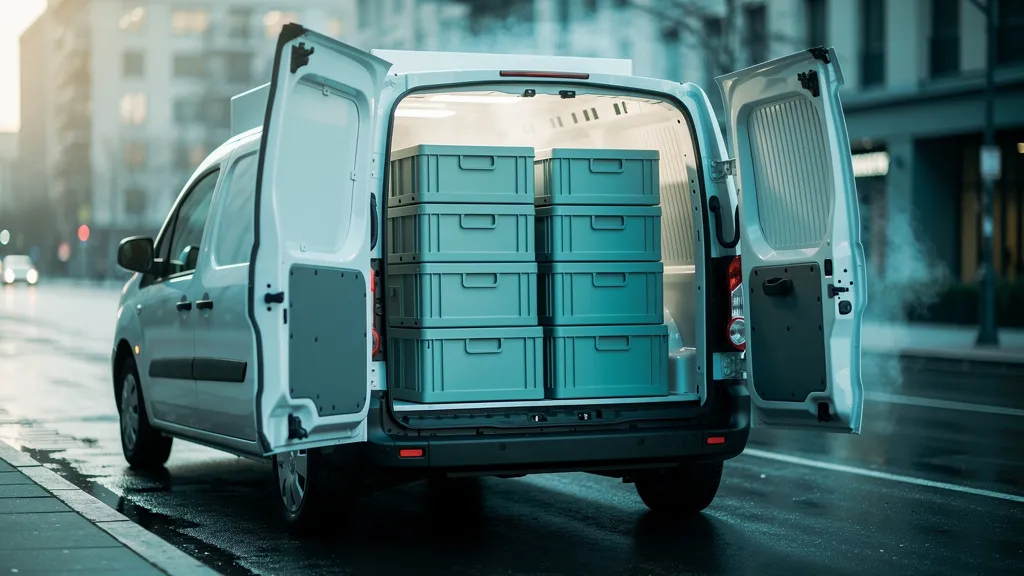
Meça a caixa — não a palavra da transportadora
Um dispositivo dedicado na caixa isotérmica reporta temperatura calibrada, porta e localização em cada parada — não uma estimativa da transportadora — enquanto a Navixy ainda ingere feeds de parceiros e TMS em paralelo. Para um e-grocer defende um chargeback; para uma farmácia especializada que envia 2–8 °C direto ao paciente, o entregador entra no ambiente acreditado de conformidade e a entrega é o evento regulado.
- Dados de condição calibrados de primeira mão por entrega — não estimativas da transportadora
- Cadeia de custódia por parada até um destinatário nomeado, exportável como prova
- Registros compatíveis com FSMA para alimentos e GDP para farmacêutico direto ao paciente
O que perguntam as equipes de última milha e entrega
Como monitorar a temperatura em 30 entregas quando as portas nunca ficam fechadas?
Nossas vans são de contratados e rotacionam semanalmente — dá para instalar algo?
Consegue detectar se o motorista desligou a unidade de refrigeração em trânsito?
O que acontece com o registro em um estacionamento ou zona urbana sem cobertura?
Quando um destinatário contesta uma entrega, como provamos que estava em condição?
Como evitar afogar em alertas em uma rota com muitas paradas?
Isso atende FSMA / GDP para alimentos e farmacêutico na última milha?
Veja o trecho que não é seu — e atribua um responsável a cada alerta
Conte suas rotas, mix de frota e carga. Mapearemos o hardware plug-in e adesivo, as regras de porta / cerca geográfica / parada e energia do equipamento, a escada de escalonamento e os registros de condição por parada — para que a cadeia se mantenha em cada entrega, mesmo nas vans que não são suas.