Detecte o congelamento que mata silenciosamente uma vacina.
Todos vigiam o teto de 8 °C — mas estudos de distribuição encontraram 14–35% de geladeiras e envios que expuseram vacinas ao congelamento, e alguns minutos abaixo de 0 °C contra um pack frio ou a parede do baú destroem a potência sem nada visível para quem recebe. A Navixy coloca registro calibrado dentro do contêiner, alerta no lado do congelamento e na taxa de variação, e transforma a viagem em um registro pronto para GDP.
- Temp. mín. do produto
- −1,4 °C
- Tempo abaixo de 0 °C
- 6 min
- Disposição
- Revisão de QA
Proteja as duas extremidades da faixa — e comprove
Um corredor de vacinas tem piso além de teto. A Navixy monitora o lado do congelamento que a maioria ignora, mede de dentro da carga e monta o registro qualificado que uma auditoria GDP realmente exige.
O registro que um auditor segue, não um montado na véspera
Temperatura cinética média, tempo acima do teto e tempo abaixo do congelamento em um único registro defensável — gerado em agenda com IoT Query e exportado ao seu sistema de QA, para que um congelamento seja registrado, explicado e com disposição em vez de descoberto.
- Temperatura cinética média
- Tempo acima de 8 °C
- Tempo abaixo de 0 °C
- Disposição
Alerte no lado do congelamento, não só no teto
O IoT Logic monitora o limite inferior de 0 °C e a taxa de variação em direção a ele, para que um pack frio ou aquecedor travado dispare alerta antes de danificar o frasco — não na recepção.
Registro calibrado, certificado e sem lacunas
Use loggers BLE certificados EN 12830 com sondas calibradas ISO-17025 que armazenam ~345 dias embarcados, para que uma zona sem cobertura nunca deixe um buraco na trilha de auditoria.
Meça o frasco, não o fluxo de ar
O sensor de ar de retorno do baú lê o ar, não o produto. A Navixy ingere uma sonda independente colocada no contêiner — onde o congelamento realmente ocorre.
Pondera a exposição ao calor como a estabilidade — o número que uma auditoria GDP exige.
Temperatura cinética média, não uma média simples
A MKT pondera a exposição como os dados de estabilidade, para que o número do relatório reflita o risco real de potência — a métrica em que GDP e orçamentos de estabilidade são escritos.
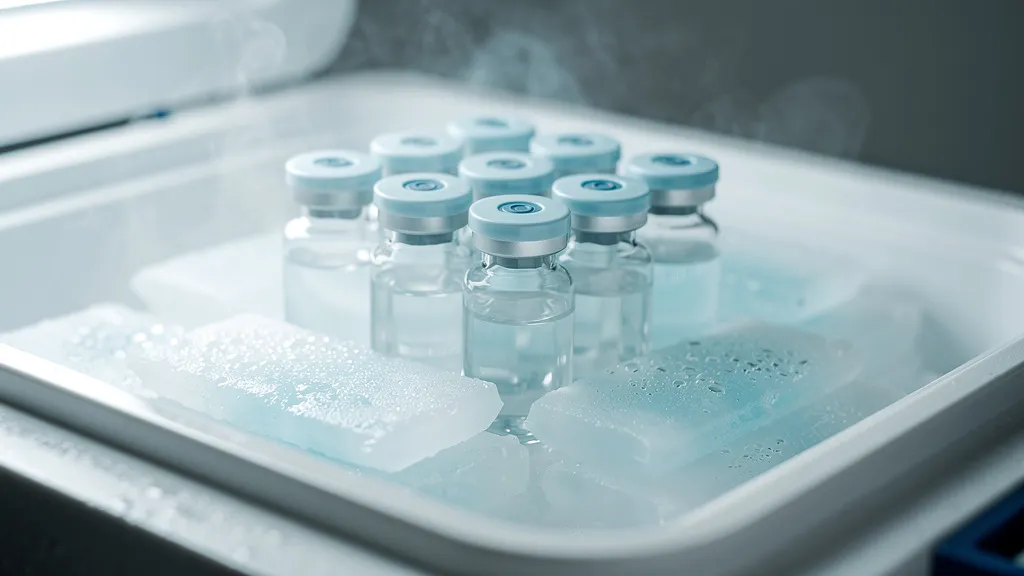
O congelamento costuma ocorrer no caminho para a clínica
Packs de gel congelado adicionados no último trecho são a causa mais comum de congelamento acidental: um frasco apoiado em um bloco de refrigerante a −20 °C cai abaixo de 0 °C enquanto o ar da caixa ainda marca 4 °C. Uma sonda calibrada que viaja com o produto — não na parede — transforma esse evento invisível em alerta e linha no registro.
- Sonda calibrada dentro do contêiner, ao lado do produto
- Alertas no lado do congelamento e por taxa de variação antes do dano, não depois
- Custódia e condição entregues à clínica em um único registro
Uma carga de vacina 2–8 °C encosta na parede fria — e é recuperada antes de perder potência
A traça percorre o corredor GDP até o contato com pack frio levar a sonda de produto abaixo do congelamento. Veja o alerta por taxa de variação na queda, o operador reposicionar a carga e a viagem fechar em registro que anota o tempo abaixo de 0 °C.
- Partida — caixa pré-condicionada a 4 °C, na faixa
- Pack de gel adicionado na última milha; a sonda começa a cair
- Alerta por taxa de variação antes de cruzar 0 °C
- Congelamento: −1,4 °C — operador reposiciona frascos fora do pack
- De volta na faixa; tempo abaixo de 0 °C registrado automaticamente
- Registro de condição selado e enviado à QA
- Temp. mín. do produto
- −1,4 °C Temp. mín. do produto
- Tempo abaixo de 0 °C
- 6 min Tempo abaixo de 0 °C
- Disposição
- Revisão de QA Disposição
De um frasco em uma caixa a um registro liberado, em quatro passos
A mesma plataforma composável que opera frotas e campo, configurada para uma cadeia de frio GDP — implementável no hardware que você já aprova.
- 01
Sensar na carga
Um logger BLE certificado EN 12830 com sonda calibrada ISO-17025 viaja dentro do contêiner, amostrando a cada 1–5 minutos e registrando embarcado para que zonas sem cobertura não deixem lacunas.
- 02
Decidir nos dois limites
O IoT Logic avalia cada leitura contra o piso, o teto e a taxa de variação entre leituras — value('temperature',0,'valid') vs o índice anterior — para detectar congelamento na descida.
- 03
Agir antes do dano
O operador mais próximo da carga é alertado para reposicionar ou ajustar, com escada de escalonamento, enquanto os frascos ainda podem ser salvos.
- 04
Comprovar com a métrica certa
O IoT Query consolida MKT, tempo acima e abaixo do congelamento, desvios e cadeia de custódia em um registro qualificado, exportado ao seu sistema de QA pela API.
Sensores calibrados, registro certificado, seu sistema de QA
A farmacêutica exige calibração rastreável e registro sem lacunas. A Navixy normaliza loggers BLE EN 12830 / ISO-17025, sondas 1-Wire, porta e GPS em um único modelo de dados em mais de 2.500 modelos de dispositivos, e envia a comprovação direto aos sistemas que sua equipe de qualidade já opera.
- Loggers BLE certificados EN 12830 com sondas calibradas ISO-17025 (classe ±0,5 °C) e log embarcado que sobrevive a zonas sem cobertura
- Sem substituição total: mantenha seus rastreadores GPS e adicione a sonda de carga calibrada que suas rotas exigem
- Regras de congelamento, teto e taxa de variação idênticas em frotas mistas de dispositivos
- Envie MKT, tempo fora da faixa e cadeia de custódia ao seu QMS / QA por API aberta e webhooks — e ofereça em marca branca
Cada leitura é calibrável e rastreável de ponta a ponta — a cadeia que um auditor de Boas práticas de distribuição (GDP) segue do frasco ao registro liberado.
O que as equipes farmacêuticas perguntam sobre congelamento e comprovação
Por que focar no congelamento se o limite que todos monitoram é o superior?
A leitura de temperatura do baú não basta para uma carga 2–8 °C?
Vocês produzem o registro calibrado e rastreável que auditorias GDP esperam?
O que acontece com o registro em uma zona sem cobertura celular?
Isso se estende a ultra-frio e entrega de última milha em clínica?
Como a comprovação chega ao nosso sistema de qualidade?
O monitoramento de cadeia de frio farmacêutica se paga?
Comprove que suas vacinas nunca congelaram — não só que nunca aqueceram
Conte seus produtos, rotas e requisitos GDP. Mapearemos os sensores calibrados, as regras IoT Logic do lado do congelamento e por taxa de variação, e os registros MKT / tempo fora da faixa para sua cadeia de frio farmacêutica — e mostraremos a comprovação em que sua equipe de qualidade e clientes confiarão.