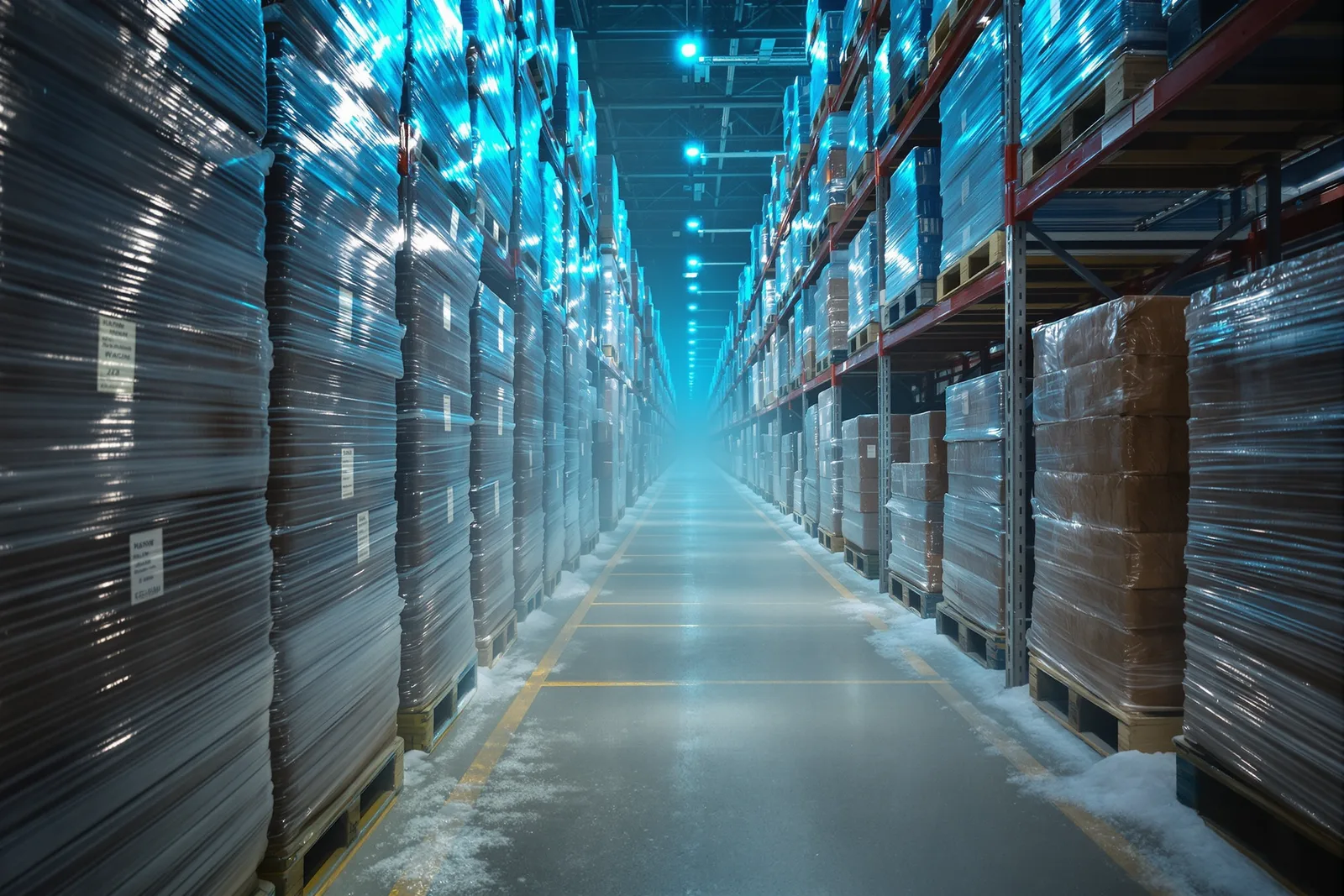
Frozen food doesn't spoil. It quietly loses the quality you sold.
The damage is recrystallization and freezer burn from brief partial thaws — a propped cross-dock door, a reefer cycling off — that never look spoiled at the dock and that a once-an-hour logger sails straight past. And −18 °C isn't even fully frozen. Navixy reads the reefer over CAN/J1939 and in-load probes, then alerts on rate-of-change and door-dwell — not a static line — so a thaw is caught while it's minutes old and packaged as proof.
- Peak product temp
- −11.4 °C
- Time above −18 °C
- 17 min
- Disposition
- QA / FEFO
A “green” logger still ships a ruined load
Frozen quality loss is cumulative and invisible: it depends on how long and how warm, not on a single pass/fail reading. Navixy evaluates every packet, tells a defrost from a real thaw, and rolls the cumulative stress into a number a quality claim can't argue with.
Catch the minutes-long thaw an hourly sample reports as clean
A thermo-logger sampling every 15–60 minutes can land on either side of a 5–10-minute thaw and report a perfect trip. Navixy evaluates every packet against the band and the rate of change, then rolls up mean kinetic temperature and time-out-of-range — the cumulative damage the logger averaged away.
- Hourly logger verdict
- “In range” ✓
- What actually happened
- 7 min at −11.8 °C
The last few % of water is still liquid — which is exactly what a brief thaw refreezes.
−18 °C is a convention, not “fully frozen”
At −18 °C most foods are only ~95–98% frozen, so a little liquid water remains for a brief warm-up to recrystallize. Navixy alerts on movement and product-specific bands, not a single line everyone hard-codes.
Ice cream lives far below −18 °C
The cited heat-shock threshold for ice cream is −28.9 °C — so a reefer “holding −18 °C” can still coarsen premium dessert. Deep-frozen probes and a colder band protect the products that need it.
Tell a defrost from a real thaw
A scheduled defrost and a dock door both raise return-air briefly. Dwell timers and door correlation suppress those so the channel isn't muted — and the real, sustained thaw still pages someone.
One rule per zone, not one fleet-wide line
QSR and foodservice loads run frozen, chilled, and ambient on one vehicle. A single threshold both misses the frozen excursion and cries wolf on the chilled zone; Navixy gives each compartment its own.
Two short thaws, one cumulative loss — caught while the load can still be saved
No single reading ever screams “spoiled.” But a propped cross-dock door and a reefer that cycles off each lift the product above −18 °C just long enough to recrystallize it. Watch the rate-of-change alerts fire, the handler intervene, and the trip resolve into a record that quantifies the cumulative stress an hourly logger would have averaged away.
- Departs fully pulled down to −22 °C
- Cross-dock: door propped open during transfer
- Rate-of-change alert — product climbing fast
- Partial thaw: −11.4 °C against the open door
- Reefer cycles off in start/stop mode
- Second thaw flagged; cumulative stress logged
- Trip sealed — MKT and time-above-−18 on the record
- Peak product temp
- −11.4 °C Peak product temp
- Time above −18 °C
- 17 min Time above −18 °C
- Disposition
- QA / FEFO Disposition
From a reefer signal to a defensible record, in four moves
The same composable platform that runs fleet and field operations, configured for frozen — buildable on hardware you already approve.
- 01
Sense the unit and the load
Read the reefer over CAN / J1939 — setpoint, supply and return air, mode, run-hours, defrost, fuel, door — and pair it with in-load 1-Wire probes rated to −55 °C, the range ice cream and IQF actually need.
- 02
Decide on movement, not a line
IoT Logic compares each reading to the previous — value('temperature',0,'valid') vs index 1 — to catch a rate-of-change, and uses door-open dwell and defrost-mode context so expected rises stay quiet.
- 03
Act before recrystallization
A sustained thaw or a propped door pages the handler nearest the load — close the door, restart the unit, re-cool — while the cargo is still minutes from quality loss, not at delivery.
- 04
Prove the cumulative stress
IoT Query rolls up MKT, time-above-band, excursion count, door-dwell, and freezing-time-to-core into a HACCP/FSMA-ready record, exported to your BI or quality system over the API.
Reefer CAN, deep-frozen probes, and a rule for every zone
Frozen is a range-and-mode problem: the right probe has to read below −30 °C, and the right alarm has to tell a defrost from a thaw. Navixy normalizes reefer J1939, 1-Wire and BLE probes, door, and GPS into one data model across 2,500+ device models, then pushes the proof into the systems your quality and claims teams already run.
- Reefer J1939 for setpoint, supply/return air, mode, run-hours and defrost — so a normal defrost rise is never mistaken for a thaw
- Deep-frozen 1-Wire probes (to ~−55 °C, ~1⁄16 °C resolution) for ice cream and IQF, where −20 °C-rated BLE tags fall short
- One virtual sensor and one rule per compartment for multi-temperature QSR / foodservice loads — never a single fleet-wide line
- On-board store-and-forward backfills the audit trail when a frozen trailer sits unhooked in a dead-zone yard
- Push MKT, time-out-of-range, door-dwell and freezing-time records to your BI / QMS over an open API — and ship it white-label
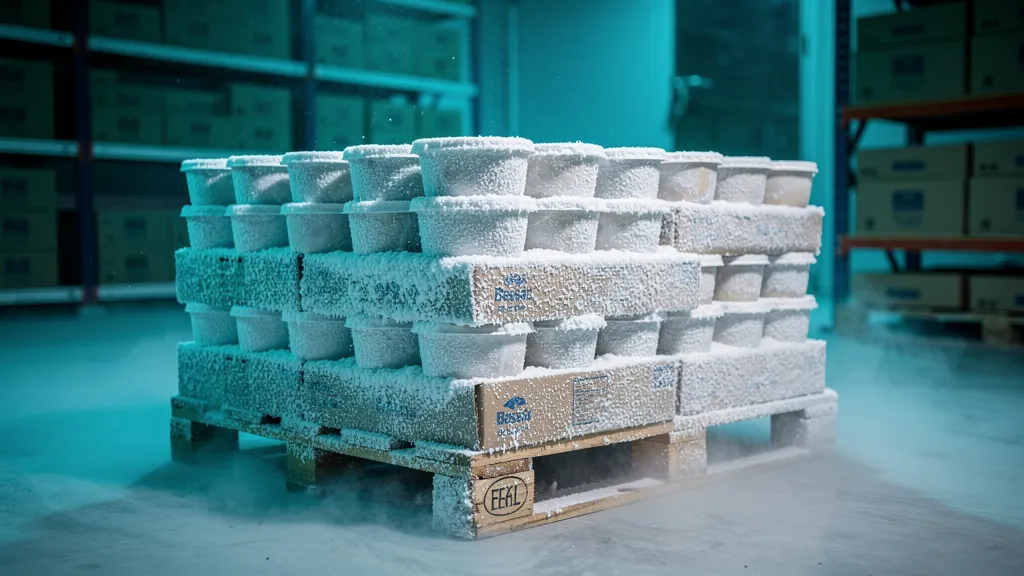
It passes inspection — then surfaces as a texture complaint weeks later
Recrystallized ice cream and freezer-burned product look fine when the load is accepted, paid, and the responsible leg forgotten. That's why the highest-leverage frozen deliverable isn't a temperature read — it's a continuous, exportable record that pins the quality loss to a leg and a moment, so a chargeback is defended instead of absorbed.
- Recrystallization (icy/grainy) and freezer burn are quality, not safety, failures — invisible to a receiver
- A continuous record defeats an unfounded spoilage claim and pins a real one to the responsible party
- The same data exposes reefer-off fuel fraud on contractor frozen routes — value beyond spoilage
What frozen & ice-cream teams ask
What temperature should frozen food be kept at — and why isn't −18 °C “fully frozen”?
Why does my ice cream arrive icy or grainy if the truck “stayed cold”?
Isn't the reefer's own temperature reading enough for frozen?
A logger said the trip was fine, so why the quality complaint?
What's the difference between freezer burn and recrystallization?
How do I prove frozen compliance for HACCP / FSMA / raw-fish freezing?
We run frozen + chilled on one truck. One threshold, right?
Does monitoring frozen loads pay for itself?
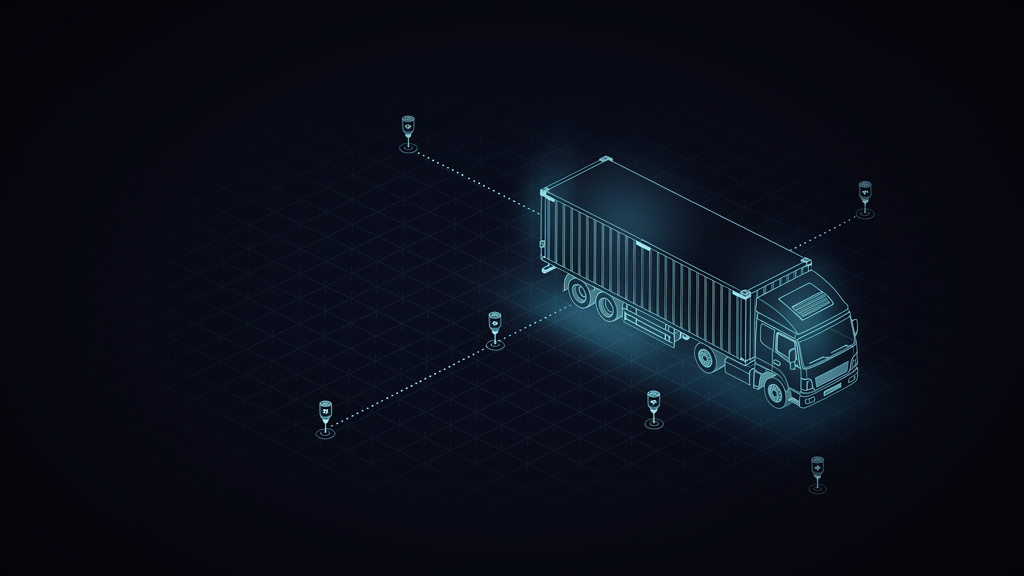
Protect the texture you engineered — all the way to the freezer aisle
Tell us your products, lanes, and zones. We'll map the reefer integration, the deep-frozen probes, the rate-of-change and door-dwell IoT Logic rules, and the MKT / time-out-of-range records for your frozen cold chain — so an invisible thaw becomes an alert you can act on and a claim you can win.