Not everything cold is “cold” — and the dispute costs as much as the load.
A large class of high-value regulated cargo never sees a fridge: controlled-room-temperature biologics, humidity-sensitive electronics, narrow-window chemicals, fine art and wine. With a single load worth six figures, the expensive part is rarely the degree or two — it's the dispute over who caused the excursion and who held the goods, plus the humidity, shock and tamper a temperature-only logger never sees. Navixy binds all of it to one chain-of-custody timeline.
- Peak (min/max)
- 28.6 °C
- MKT
- 24.6 °C ≤ 25
- Verdict
- released on record
The fight is custody — not the degree or two
With a six-figure load, the destroyed product is only the visible tip. The decisive asset isn't a colder box — it's a time-stamped, multi-party record across humidity, shock, tamper and custody, because the party with the weakest documentation usually bears the loss.
Temperature can pass while the load still fails
For this segment temperature is one of several failure axes. Humidity creep cracks moisture-sensitive electronics at reflow; a drop breaks an instrument or a frame; low humidity raises static (ESD); a tamper-open is a theft or a custody breach. A temperature-only logger reports a clean trip and is blind to every one of them.
A temperature-only logger reports a clean trip — and misses the moisture creep, the drop, and the tamper-open that actually condemned the load.
Not everything cold is “cold”
USP <659> defines controlled room temperature as 20–25 °C, with excursions allowed 15–30 °C only if mean kinetic temperature stays ≤ 25 °C. CRT biologics, oral solids, electronics and chemicals ship insulated-but-unrefrigerated — so they fall outside every reefer-centric program even though they're just as regulated.
The weakest record bears the loss
Under cargo law (Carmack in the US, Volcafe v CSAV in the UK) once a load is shown to leave in spec and arrive damaged, the party that can't document due care pays. So every excursion becomes a multi-party blame contest — and the investigation alone runs $3,000–$10,000 and can double the event's cost.
Humidity has a danger band on both ends
Moisture-sensitive electronics carry a JEDEC MSL floor life measured at ≤ 30 °C / 60 % RH; exceed it and parts crack at reflow or fail in the field. Meanwhile low humidity raises ESD risk. So the dry end and the damp end of 'ambient' are each their own hazard — invisible to a thermometer.
The lanes criminals target most
Electronics and pharmaceuticals are the top theft-targeted commodity classes, and the average cargo-theft loss has climbed to $273,990 (Verisk CargoNet, 2025). Door-outside-geofence, route-deviation and standstill rules layer loss-prevention onto the same device and record as quality.
In limits by min/max — judged by mean kinetic temperature
Controlled-ambient cargo rarely fails from a spike; it drifts. Min and max can both stay inside the 15–30 °C excursion margins while MKT — the Arrhenius-weighted average USP judges release on — creeps toward the 25 °C ceiling. A summer cross-dock hold with no climate control is the classic cause.
- Picked up in the CRT set range at 22 °C
- Held at a cross-dock with no climate control
- Drifts above the 25 °C set ceiling — still inside the 15–30 °C excursion margin
- MKT climbing toward the 25 °C limit — the release-defining number
- Owner alerted; the load is moved to a conditioned area
- Delivered — MKT 24.6 °C ≤ 25, releasable on record
- Peak (min/max)
- 28.6 °C Peak (min/max)
- MKT
- 24.6 °C ≤ 25 MKT
- Verdict
- released on record Verdict
From sensor to defensible proof, in four moves
The same composable platform behind fleet and field operations, configured for controlled-ambient, high-value cargo — multi-signal, custody-aware, and audit-ready.
- 01
Sensor the goods, every axis
Multi-signal BLE / 1-Wire sensors — temperature, humidity, 3-axis shock/tilt, light/tamper and door — placed inside the package or on the frame with the goods, not on a vehicle wall. EN 12830 / ISO-17025-class probes where audit-grade is needed, with on-device logging so the record has no gaps across handoffs.
- 02
Scope the rules to reality
IoT Logic suppresses excursions inside an authorized unloading geofence and fires everywhere else, runs multi-parameter rate-of-change on each channel, and adds route-deviation and standstill rules so a theft-targeted lane is watched on the same device.
- 03
One custody timeline, every leg
Multi-recipient alerts reach each custodian and the shipper's QA at handoff, and custody is segmented per leg — so when a load is disputed, accountability is assigned exactly where the record shows it broke, not argued across parties for months.
- 04
Prove it to the QMS
IoT Query assembles MKT, time-out-of-range, excursion history and chain of custody into 21 CFR Part 11-aligned exports over the open API — continuous, time-stamped evidence generated as you go, not assembled by hand the night before an audit.
One multi-signal record — for quality, claims and loss-prevention
This segment's defining requirement is multi-signal, time-synced condition data placed with the goods, normalized across 2,500+ device models. One record then serves three masters: the QMS that releases the batch, the claim that recovers the loss, and the security desk that protects a theft-targeted lane.
- Multi-signal BLE / 1-Wire sensors — temperature + humidity + 3-axis shock/tilt + light/tamper + door — placed inside the package or on the frame, not on a vehicle wall
- Audit-grade where it's needed: EN 12830-certified, ISO-17025-calibrated probes with on-board logging (~33k records), and store-and-forward across bonded holds and long voyages
- Geofence-scoped excursion rules, multi-parameter rate-of-change, and route-deviation / door-off-geofence / standstill — quality and security on one device
- Multi-recipient alerts to each custodian and the shipper's QA, with custody segmented per leg, so liability is assigned where the record shows it broke
- IoT Query MKT / time-out-of-range / chain-of-custody exported to the QMS as 21 CFR Part 11-aligned electronic records over the open API, white-label
One normalized record across 2,500+ device models — exported to your QMS over the open API; the same record that satisfies the audit defends a claim and a theft case.
Put the proof inside the box — with the goods, not on the wall
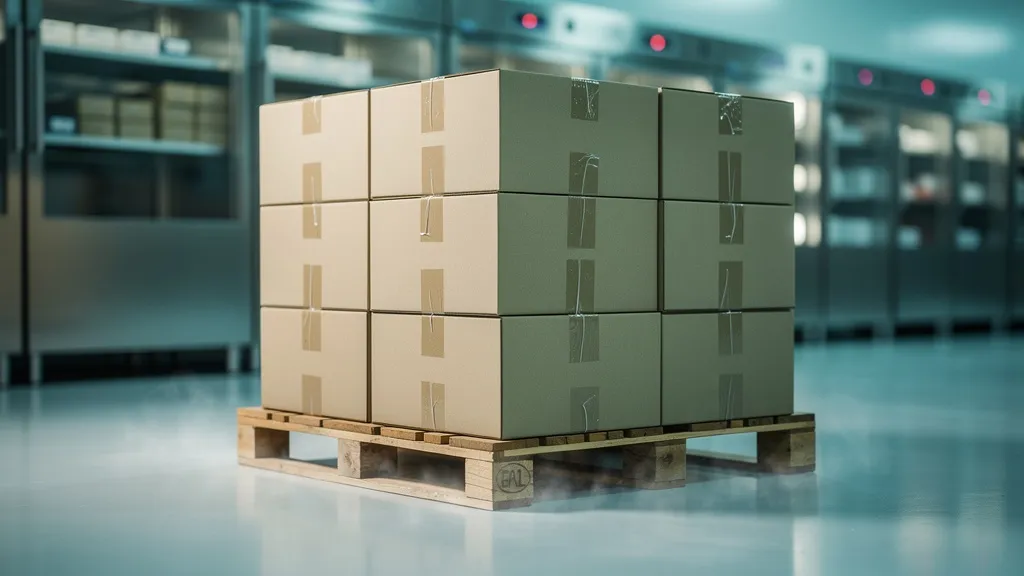
A device riding with the cargo — inside the package, on the frame — captures calibrated temperature, humidity, shock and tamper against GPS and time. For a cell-and-gene therapy worth six figures it's the difference between a released batch and a written-off one; for a fine-art loan it's the record an insurer and lender require before it moves.
- Calibrated multi-signal condition placed with the goods — the record auditors and insurers accept
- A continuous, gap-free chain of custody across every leg and bonded hold
- One export to the QMS — MKT, time-out-of-range, custody — over the open API
What quality, risk & integration teams ask
What exactly is “controlled room temperature,” and is it just 15–25 °C?
If the cargo isn't refrigerated, why monitor it at all?
A six-figure load was rejected — how do I prove who caused the excursion?
Why does humidity matter as much as temperature for electronics?
Can one rule handle a load that's legitimately unloaded at a warm dock?
Do my records satisfy GDP and 21 CFR Part 11 for a CRT product?
What does TAPA add for high-value, theft-targeted loads?
Settle the dispute by record — not by argument
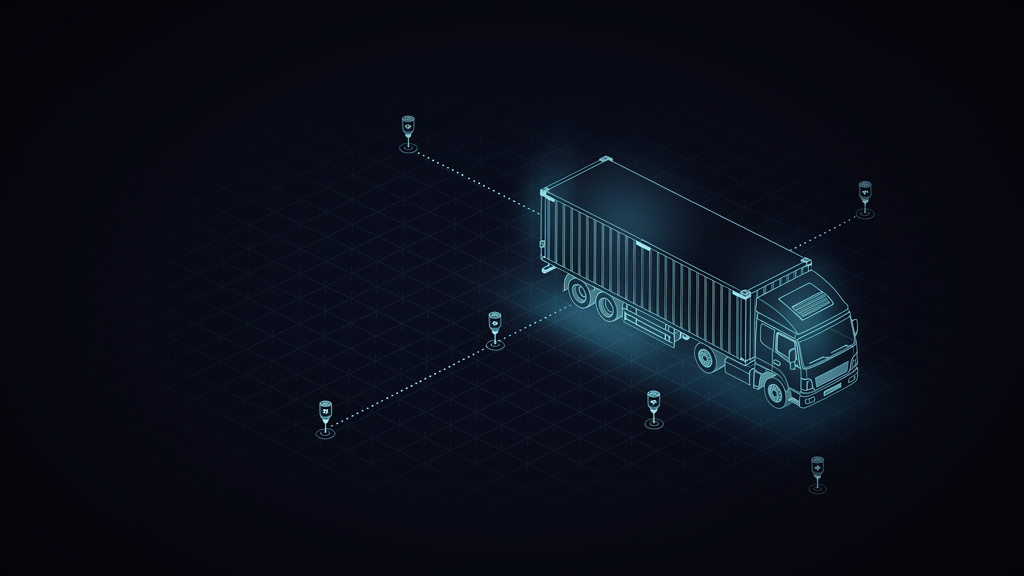
Tell us your cargo class, lanes and QMS. We'll map the multi-signal hardware — temperature, humidity, shock, tamper and door — the geofence-scoped excursion and security rules, the chain-of-custody timeline, and the MKT and custody exports — so a disputed six-figure load is settled in minutes, an in-spec batch isn't auto-rejected for a missing record, and quality and loss-prevention run off one platform.